


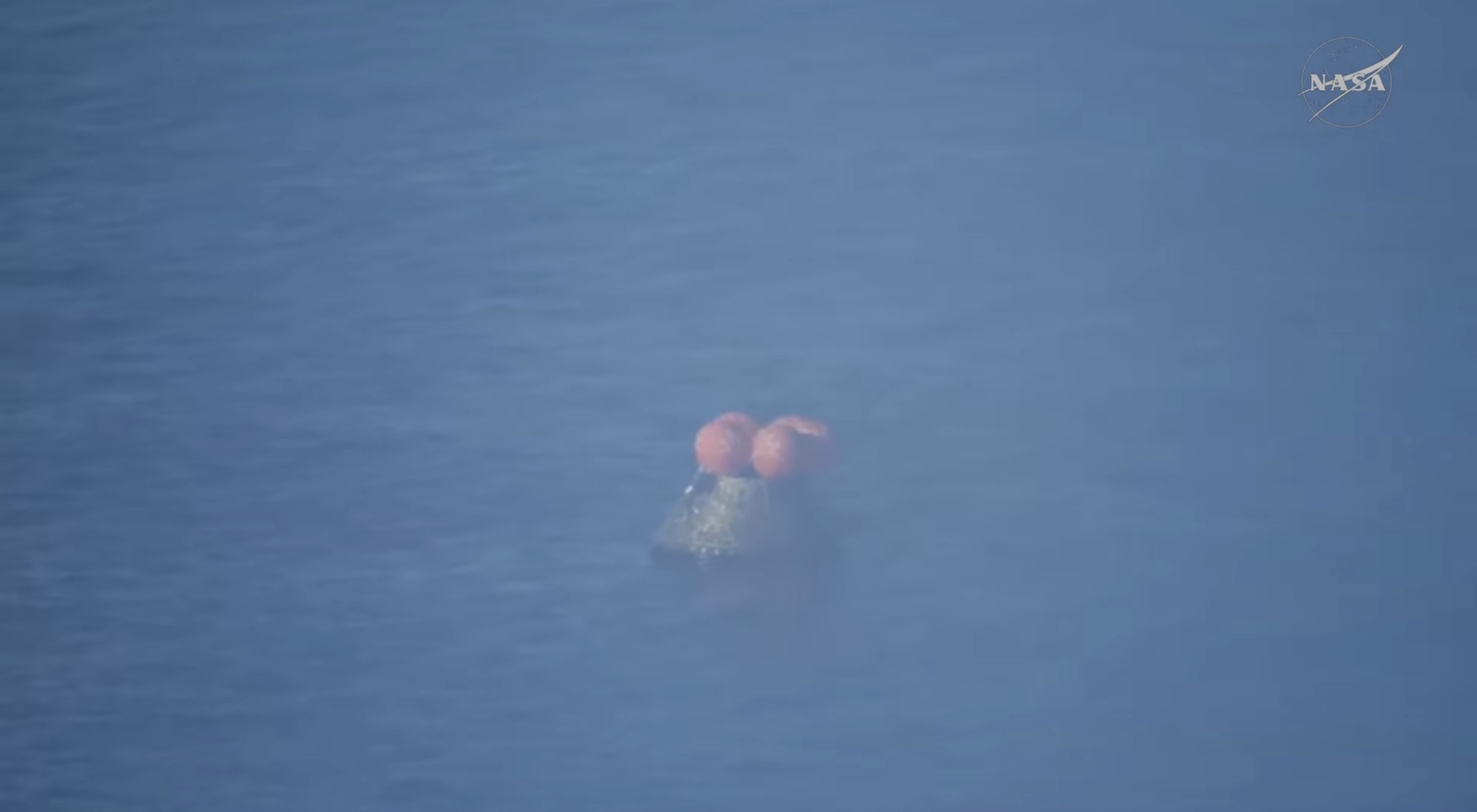
That's all for now from our Artemis 2 live coverage. We thank you for your attention. See you next time. Clear skies and bye bye. If you want to see more of our content join We have added the media briefing video with the crew speeches to our playlist. Enjoy this happy and emotional speeches of any of the 4 Artemis 2 crew members. Find all our Artemis 2 live coverage videos in this Playlist. All videos are hosted on our PeerTube platform. Video: NASA TV All 4 crew members hold emotional speech in front of the audience. Followed by a speech of the leader of the Canadian Space Agency. Before NASA administrator Jared Isacman thanked also the European Space Agency without them the mission could not have been possible. The crew is back and on the stage. The crew that made the first step going back to the Moon. The Artemis 2 crew has returned to Houston, Texas and will have their first media appearance in a few minutes. With this will finish our live coverage today. Tomorrow we will publish some more videos of today's splashdown. All crew member are out of Orion. After a short helicopter flight they will land on the Navy ship to bring them back for health check. Everyone is healthy and in good condition. The door is open and the astronauts are soon to leave the spacecraft. The vehicle power down was successful, communication with the recovery teams is established and the soon the door of Orion will be opened. Pictures from the re-entry and splashdown The astronauts can hear the recovery team already but it seems that the recovery team can not hear them via radio. The power down of Orion is necessary before the recovery crews can take the astronauts out of the capsular. The first ship has arrived at the capsular. The historic mission of Artemis 2 around the moon was a full success and many things have been tested and learned for Artemis 3. Artemis 3 launch is expected to launch in 2027. Artemis 4 is expected to launch in 2028, bringing humans back to the surface of the Moon. The first moon landing since 1972. Orion capsular swims perfectly in the Pacific ocean, South-west of San Diego. Astronauts communications confirm successful splashdown and all crew members are well. splashdown confirmed. The astronauts are back on Earth. The Main parachutes are deployed. All three parachutes are perfectly deployed. Cameras are transmitting live pictures of Orion. The first parachutes are deployed. The trajectory of Orion is perfect. We have audio communication with the astronauts. Data from the Orion capsular is transmitted again. The cameras from the ships that will recover the astronauts are working, showing the Orion capsular as a white dot on sky. Entry interface has begun. The 6 minutes communication blackout has started. We are around 17 minutes from splashdown. Short after re-entry a communication blackout is expected. The blackout will last for 6 minutes and is caused by ionized plasma around the Orion capsular during re-entry. The thruster burn was successful. The flight path angle of Orion is in the parameters. The last position change was successful. The crew confirms a good look at the European Service Module. The trajectory correction calculations upon had been processed by the ESA. We are 35 minutes away from splashdown and 2 minutes away from the thruster burn to bring Orion in the right position to enter Earths atmosphere. We have a successful separation from the European Service Module. Orion capsular has successfully connected to the GPS system. The thruster fire test was also successful. The heat shield of the Orion capsular has been modified and renewed compared to Artemis 1. When the capsular will enter Earths atmosphere the angle will reduce pressure on the heat shield and a faster landing process is planned. The crew communication has been switched back to satellite communication instead of the Deep Space Network. We are around 25 minutes away from European Service Module separation. The crew will be recovered from Orion around 45 minutes to an hour after splashdown. Orion will splashdown in the Pacific ocean. The weather is on "go" for later recovery of the astronauts. Two crew members, Commander Reid Wiseman and pilot Victor Glover, are already in their suite and in their seats. Before splashdown, the Orion capsular separates from the European Service module which remains in the Earth orbit. The separation from the ESM will be in around 2 hours and 2 minutes. The view on Earth from Orion cameras. Around 2 hours until splashdown begins. Artemis 2 has completed the radiation shield test. The splashdown preparations of the crew are starting in the next few minutes. The 4k video stream has been received at the ground station but the transmission to the control room in the Johnson Space Center didn't work. They looking for the error. But for the moment you can say, that laser communication works from Orion to the ground station on Earth. The optical connection is successfully established. The ground station receives 4k data. An optical audio and data connection is under test now. The optical, laser based, transmission system allow much higher data bandwidths as the typical radio frequency system. Just a few pictures taken by the Artemis astronauts. Currently the splashdown is planned for Saturday, April 11, 2026 at 2:05am CEST. The crew's exercise session today is their last exercise session before returning to Earth. As of tomorrow the splashdown preparations will start. The cabin has to be prepared and splashdown procedures are been prepared. Till now, the Artemis 2 mission is a full success and will be bring human space travel a great step forward and humanity closer to return to the moon permanently. Currently the crew prepares to film themselves on an exercise session. The Artemis 2 solar panels have been constructed at Airbus in the Netherlands. The ESM (The European Service Module) has been mainly constructed in Bremen, Germany. The module is the life boat for the Artemis program. The splashdown of Artemis 2 will be in the night from Friday to Saturday, around 0:20am CEST. The moon observation period also finished today. The Return trajectory burn was also already completed today. Today Artemis 2 passed the closest approach on the Moon and the farthest distance from Earth on the Mission. The crew sleeping period has begun now. The whole sleeping period will take around 9 hours. Not all crew members are sleeping at the same time. At least one astronaut will always be awake. In around 2 hours the closest approach to the moon will be reached. The Download of the images and audio files from last nights observation has begun. The toilet system is still under monitoring according to the mission status page. In a few minutes the sleeping period for some crew members starts. In less than 3 hours they will reach the closets approach to the moon. The Orion spacecraft with it's crew has successfully passed the the radio silence period behind the moon. We can now already see regions on the moon that are not visible from Earth. With these two pictures we want to say good night and will continue our live coverage early in the morning. The crew will later see an eclipse and a partial eclipse that is only visible from the moon. They will use the chance to observe the sun's corona. At the same time Venus, Mars and Mercury will stand close to the sun. The crew will also try to find them with their naked eyes to help manuell navigation for future Artemis astronauts. In 1 hour and 40 minutes the crew will lose contact to Earth and in 11 hours and 30 minutes the closest approach to the moon will be reached. From window 3 the crew can see now the crescent of the Earth and a full visible moon together. The crew has also reported about a structure that appears in a brown colour. This is special as from Earth we can only see the bright grey and white structures. The crew currently holds a "crew choice event", where the crew has time to name a special structure or crater or orientation with a name that is suggest then to the International Astronomical Society, same with the two crater name suggestions earlier on. The moon becomes bigger as closer as the Orion spacecraft comes. There are Go-Pro cameras on the solar wings. The reason why the live stream quality is not as good as you may would expect is that parallel all other system information has to be send back to Earth in real time as well. The bandwidth for the Go-Pro cameras was reduced to ensure security of the crew. The crew talks often about the so-called "terminator". This is the line where daylight and night are being separated. New pictures from the moon and the map of which craters the crew currently looks at. The signal loose will take around 30 minutes and this will be in around 3 hours. Christina Koch speaks about much more new craters than visible on photos. Some craters are very tiny. In around 1 hour, Orion will enter into the moons gravity sphere. The closest flyby will be in about 13 hours, around 10:40 CEST tomorrow morning. The crew constantly give detailed descriptions back to the science team of what they see. For example more impact craters close to the south pole and something that looks like snow (it will be something else) on the top of mountains. Currently they look to a double crater. The closest approach of the Orion spacecraft to the moon will be at a distance of 4070 miles (6.500 km) from the Moon surface. In this time, the spacecraft will be in the moon shadow without connection to Earth. The crew is making pictures and videos, writing documentation about their observations of the moon. The crew started their discussion in preparation which elements they can see on the moon. The crew reports that the illumination of the Earth is brighter than the one of the moon, still when they are closer to moon than to Earth and Earth appears smaller on the horizon. In less than 20 minutes, the observation time of the moon for the crew will start. More pictures from the Moon. The name suggestions are "Integrity" and "Carroll", named after Reid Wiseman passed late wife. She died of cancer in 2020. The crew has detected some new fresher craters that are unnamed. The crew now suggesting new names for these craters. The Apollo 13 record is broken. The Orion spacecraft has officially travelled further away from Earth than never before. The moon is close. The crew is prepared for doing their observations. In 6 minutes the Artemis crew will break the distance record to Earth from the Apollo program. When the astronauts pass the far side of the moon, there will be around 21% of the far side illuminated and so visible for the astronauts. The astronauts are seeing Asia, Africa, Oceania when they watch back to Earth now. It's planned that all science data will be made available for the public within 6 months. The target list for the moon flyby will be published tomorrow by NASA. NASA confirmed that at today's test, the pressure in the Orion spaceship was not reduced. It was part of the testing plan, but not needed. The reason why it was planned, is that they expect cabin pressure reduction in future docking maneuvers. There will be always two astronauts observing the moon. One with the camera, other with naked eyes. They will take turns. After 2-3 hours the other two astronauts will start observations. The crew will have an average of 8 minutes to observe a single target site. Astronauts are already training their eyes by watching the moon to make the eyes used to the structures to be able to see details better tomorrow. The crew will only see a small part of the south polar region of the moon. But what they can see, they will observe and collect information for new landing sites and a future moon base. The observing period will take 5 hours over the illuminated and the dark side of the moon. This includes the new observation targets but also old Apollo landing sites. During the flyby around the moon the astronauts will also see an eclipse. astronauts have specific orders to observe, image and describe specific regions on the moon when they flyby. One astronaut will photograph, one control, the other will observe with the naked eyes, as the pilot is flying the spacecraft. There will be on trajectory correction burn in the night. The burn will just take 14 seconds and stabilize the trajectory on their way around the moon. When the astronauts sleep later on, the control room will increase the data speed between the Orion and the Earth ground station to a speed of 100Mbit/s. In the helmet of the astronauts is a little Valve opening. This allows the astronauts to move a straw into their helmet to get food and medicine when they are in the suites. This is also being tested today. The crew is still in the testing procedure. The capsular has low pressure at the moment and the astronauts are in their suites in the seats. Currently the pressure in the suites of Commander Reid Weisman and pilot Victor Glover is slowly reduced a little bit. It will make it easier for them to move and leave their seats in an under-pressurized capsular. The flyby on the far side of the moon will begin tomorrow (Easter Monday) evening at around 19:00 CEST. The astronauts have carried out the test to get into their suites in an case of emergency. Integrity - that´s the name the crew gave to this Orion spacecraft for the Artemis 2 mission. During the crew is doing exercise the solar arrays have to be in a stable parking position as performing exercise creates some movement over the whole Orion spacecraft. After exercising the solar arrays will be deployed again to get enough sun energy. Currently some crew members doing their exercise. After a crew member completed exercising the crew measures the CO2 levels in the spacecraft, to see if exercising has any influence on the air in the spacecraft. The crew members caring also their personal iPhones with them. Maybe we will also see some photos and videos made by them in the near future. But for now, the pictures and videos recorded by crew are made with professional cameras. Tomorrow the crew will perform an emergency suite use to train a possible pressure lose in the Orion spacecraft. This is the main event for the crew members tomorrow. All crew members will simulate this training simultaneously. Last night the Orion spacecraft has passed 50% of it's distance to the moon. The flyby on the far side of the moon is planned for Tuesday. After Victor Glover controlled the spacecraft manually for the first time on flight day 1, today all the other crew members will get the time to manually fly Orion to get a feeling of the spacecraft. A Waist water dump error appeared last night. The flap seems to be frozen. To unfreeze the flap, Orion has made a turn to bring the flap into sun light to unfreeze it. The crew is awake now and is taking it's breakfast as well as doing preparations for their work day. The crew is currently sleeping after they also proceed some fitness training, activated an agent that measures the health status and implications of the space travel. Results will be compared with results from the International Space Station and the probes taken from the crew after they returned. A few more images form inside and outside the Orion spacecraft. There have been two trajectory burns in the plan, one yesterday, one today. Both burns does not need to be proceed because the initial burn to bring Orion on the way to the moon was perfectly. The crew not only communicates via radio with the NASA control room, they also exchange e-mails with important information about the flight. The Orion spacecraft continues it's way to the moon. The mission is a full success until now. The Moon is already visible. Imagines taken by the crew of the orion spacecraft. All systems are normal. The crew is on the way to the moon, also taking pictures from departing Earth. We will continue tomorrow. Good night and Clear Skies. The communication switch to the NASA Deep Space Network was successful. The crew has now a clear view to the moon surface and is taking some pictures for the world. Orion is now almost 5.000 km away from Earth. In about 5 minutes the communication will switch from Earth satellite’s back to the Deep Space Network. Communication will remain on the DSN until orion returns to Earth. The crew reports that everyone is well, excited and ready to go to the moon. The orion spacecraft rapidly increased speed and is now over 2.500 km away from Earth. The translunar injection burn was successful. Orion is on it‘s way to the moon. This was also the last burn in this mission as the orbit will bring orion straight back to Earth after it passed the back side of the moon. The translunar injection burn has started. The crew is on its way to fly around the moon. The upcoming translunar injection burn will take about 5 minutes. The European Service Model which brings the astronauts to the Moon is fully developed and built in Europe mainly by Airbus Defence and Space. Today was also the first time since over 50 years were humans on a spacecraft have been communicated via the NASA Deep Space Network. The crew now reports a stable cabine pressure. We are on „go“. The warning may results from the earlier manuel flight test of the systems by the crew. The crew is reporting a pressure warning in the capsular. They are investigating this now. However this is not a serious cause for the moment. We still on „go“ for translunar injection. The Artemis Management team gave the go for translunar injection around 23:15 CEST. The translunar injection burn is scheduled for 1:49am CEST. The burn will last for five minutes and 51 seconds, sending the crew out of the low Earth orbit. 4 hours ago, the perigee raise burn was completed. This was another planned orbital adjustment. Later today the mission management will meet to give approval for the translunar injection burn that will send the astronauts towards the moon. The Artemis 2 crew was be able to fix the toilet with the ground teams of NASA. After that the crew took a nap. The Artemis II crew finished the configuration activities of the spacecraft, including checking the toilet system. A blinking fault light occurred. Four small satellites, called CubeSats, have been on the SLS rocket as secondary payload. All four have been deployed to high Earth orbit. They should help to explore the space environment. The Artemis II crew did a test where they got really close to another spacecraft. This was one of the first things the mission was supposed to do. In future docking maneuvers are planned, but not proceed today. In the night there was a short communication blackout to the Orion capsular. The problem was resolved quickly. Welcome to our Live Coverage of the Artemis 2 Mission This 10 days live coverage focuses on the Artemis 2 Mission with it's crew on their journey around the moon. This live coverage is available on our website and BlueSky #Artemis #Artemis2 #NASA #ESA #Moon #WeAreGoing #ForwardToTheMoon #OrionCapsular #SLSrocket #ReturnToMoon #Europe #Space #science
SPACE-FRIDAY: The Talk on Signal: https://signal.group/#CjQKIBZWmt57f4O58ORpQyMj1FbYfWMo3v0WILUxX93IhRIQEhDnyBfyv_7sTW7z6gd_ji5l
Signal News Group: https://signal.group/#CjQKIHfqX73P2CirD_TRqWha9BJ8ew7RrysHe2Esd69vTLa4EhCTHx-BPgLhIk-xuq7P_dJV
Mastodon: @nemethstarproductions.eu@bsky.brid.gy @spacefriday.de@bsky.brid.gy
BlueSky: @nemethstarproductions.eu @spacefriday.de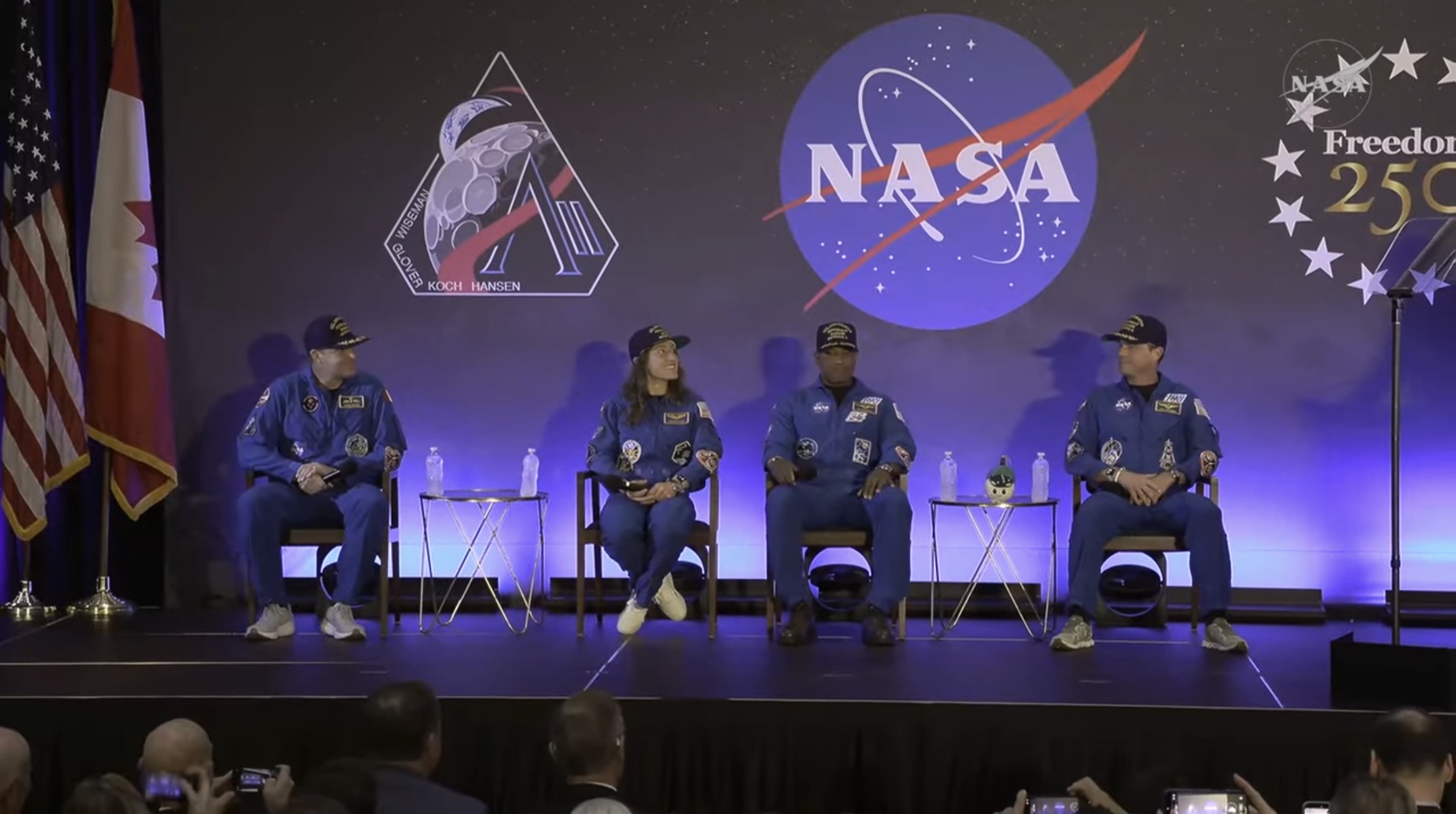
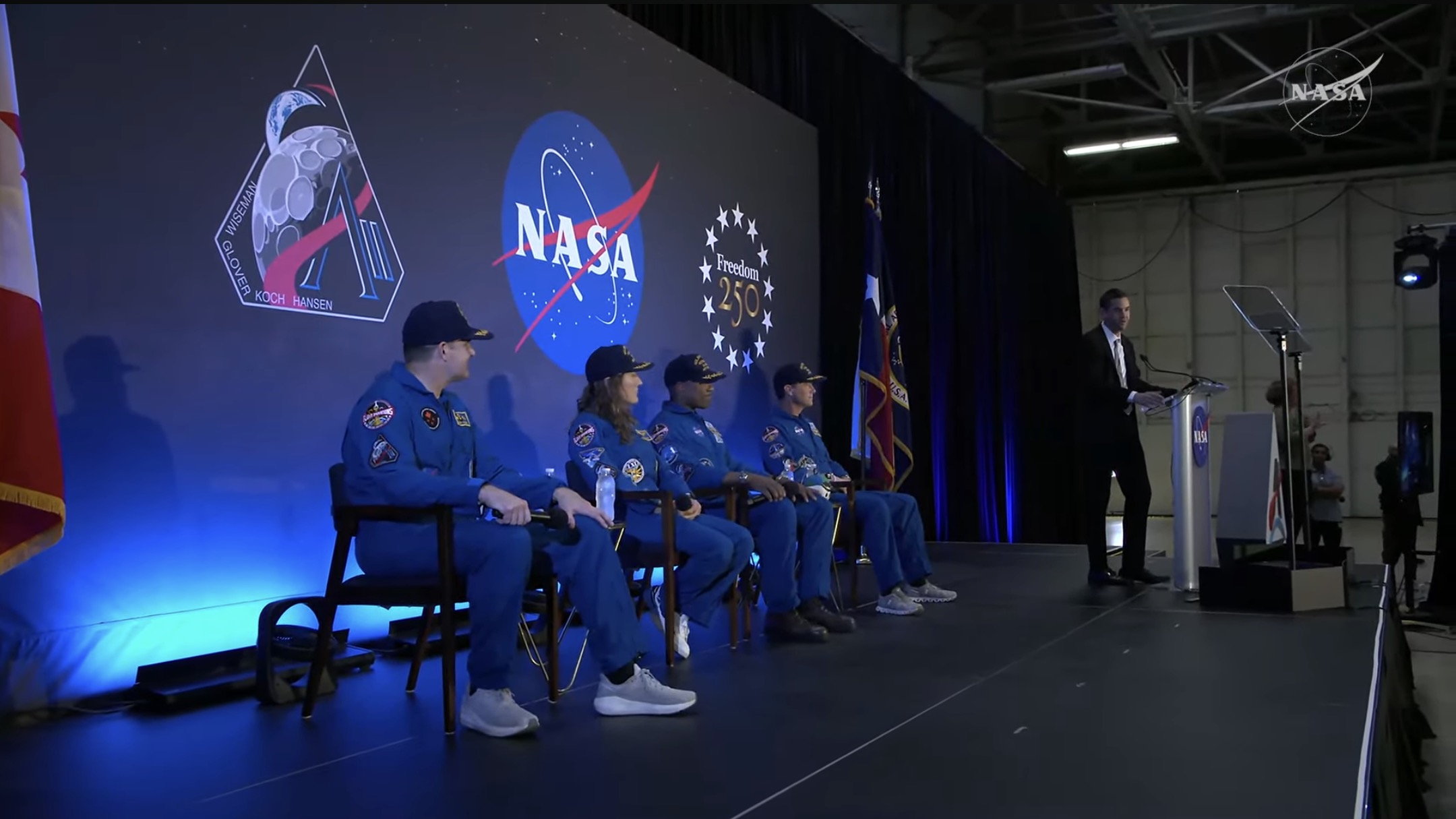
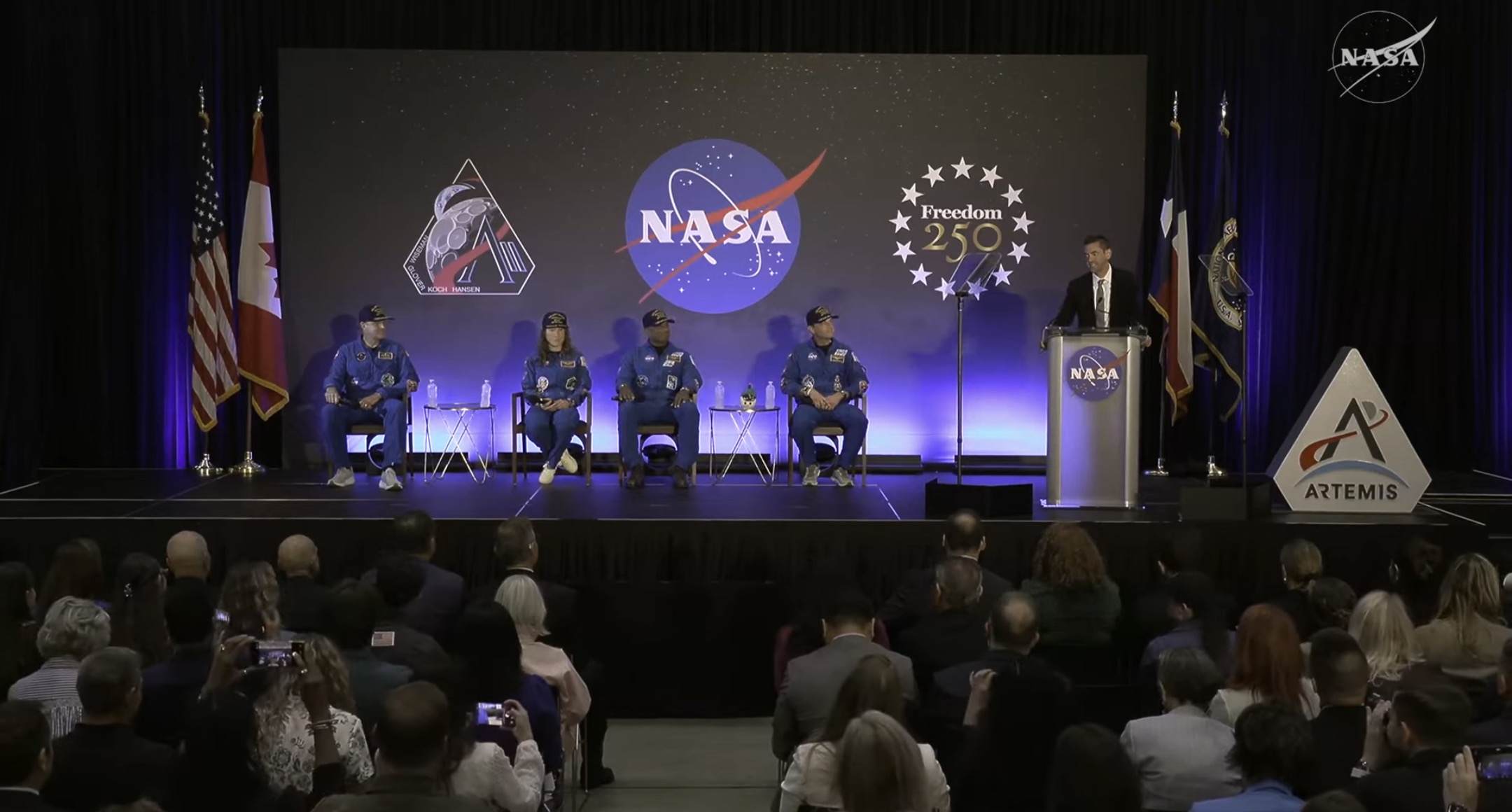
Photo: NASA TV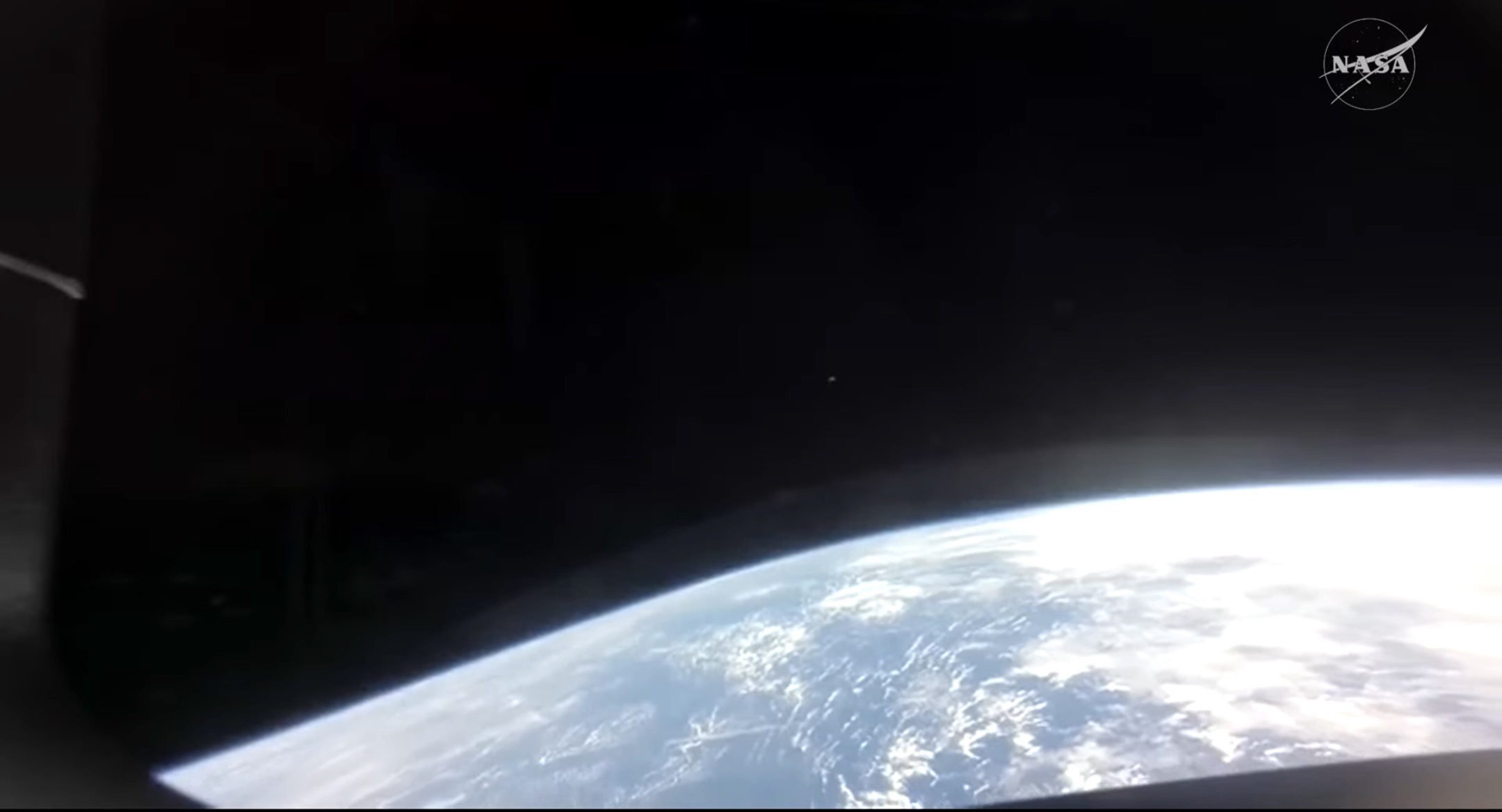
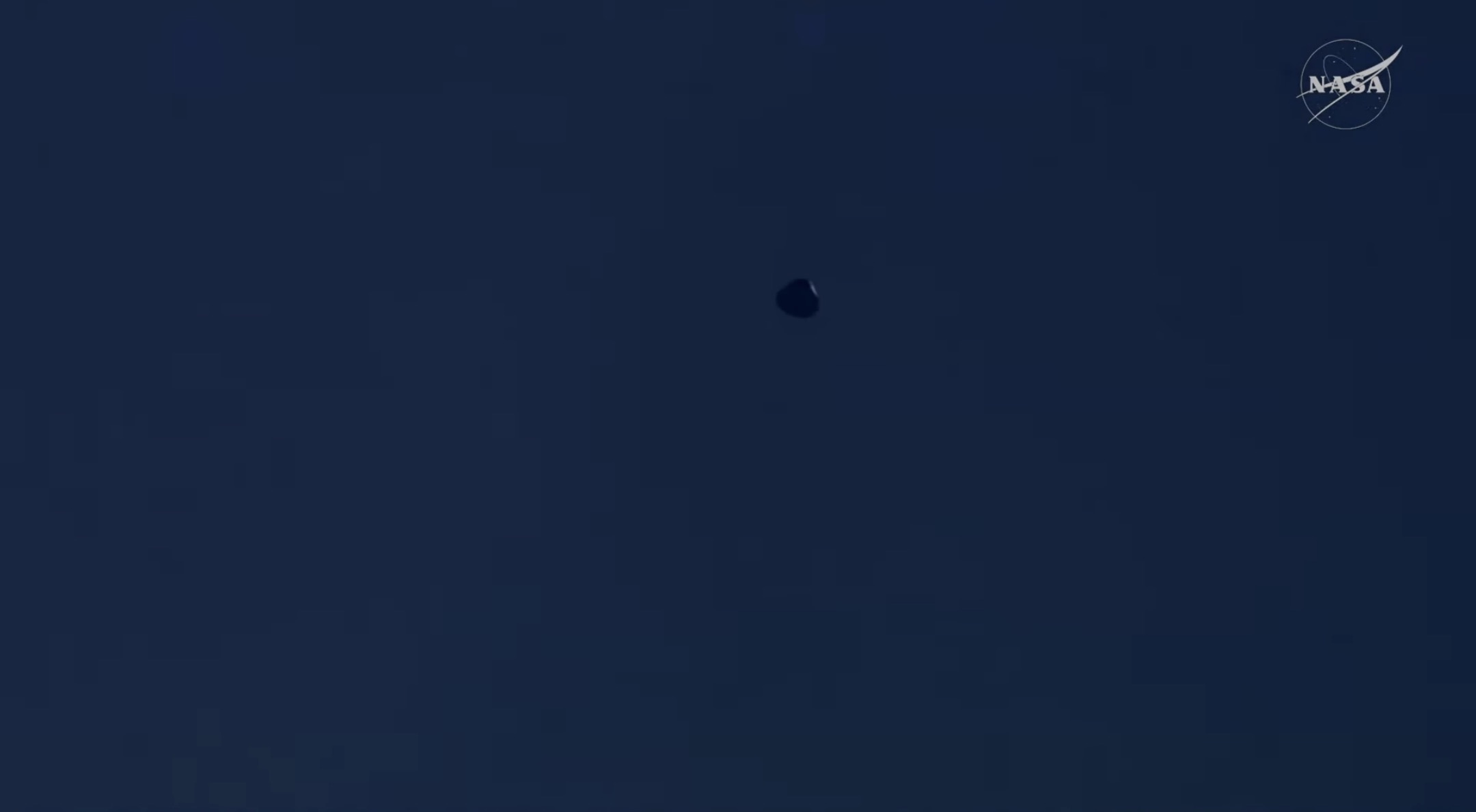
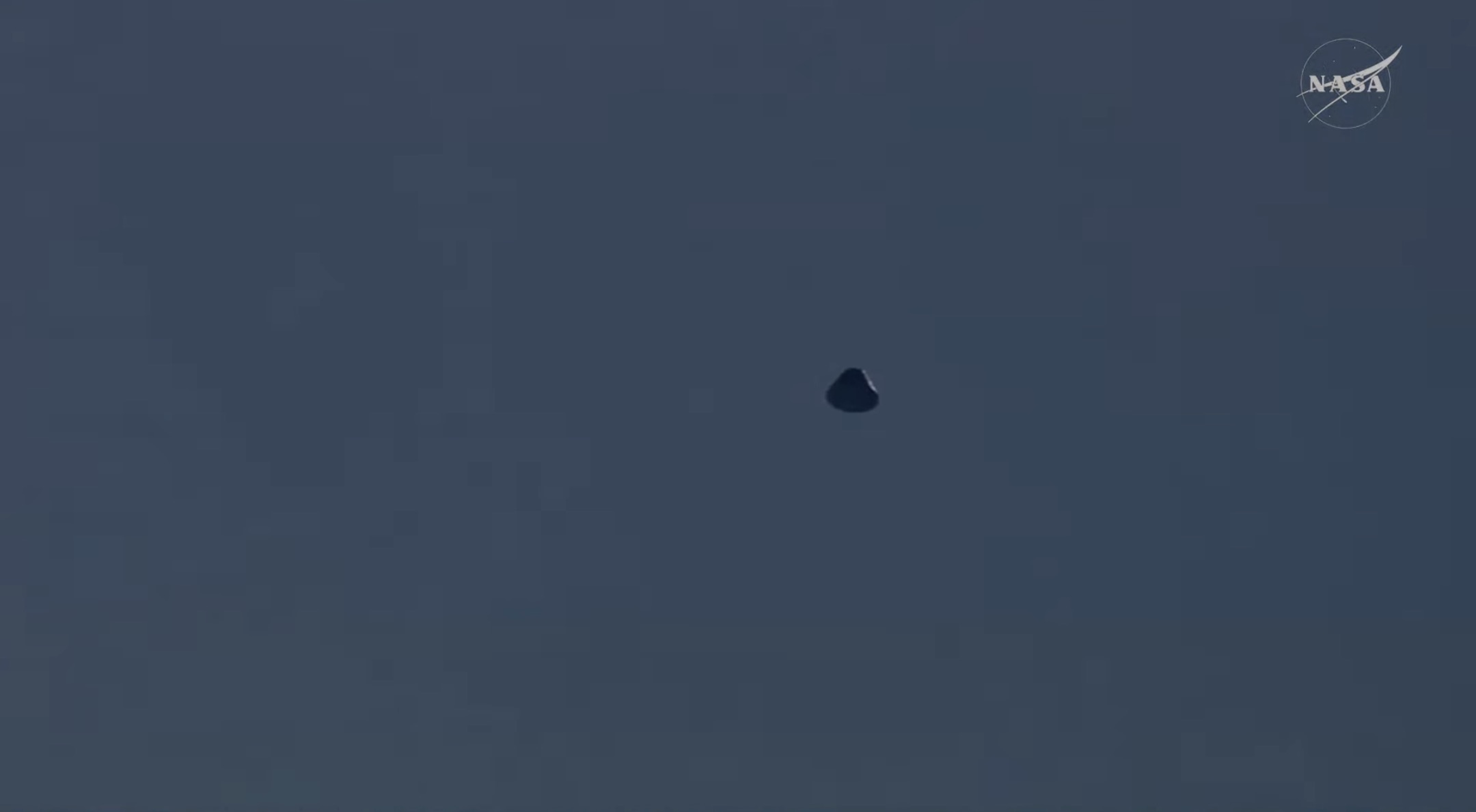
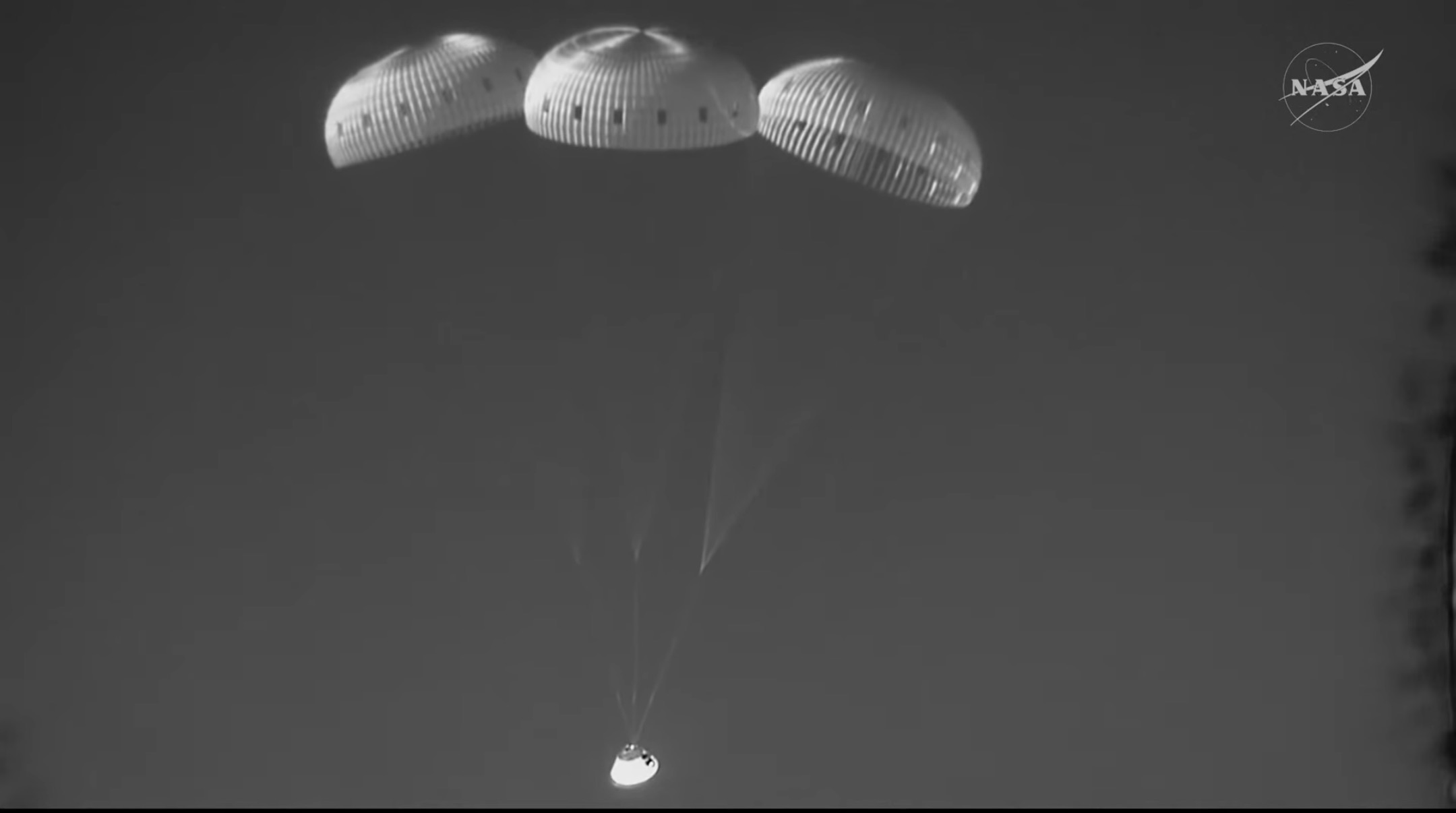
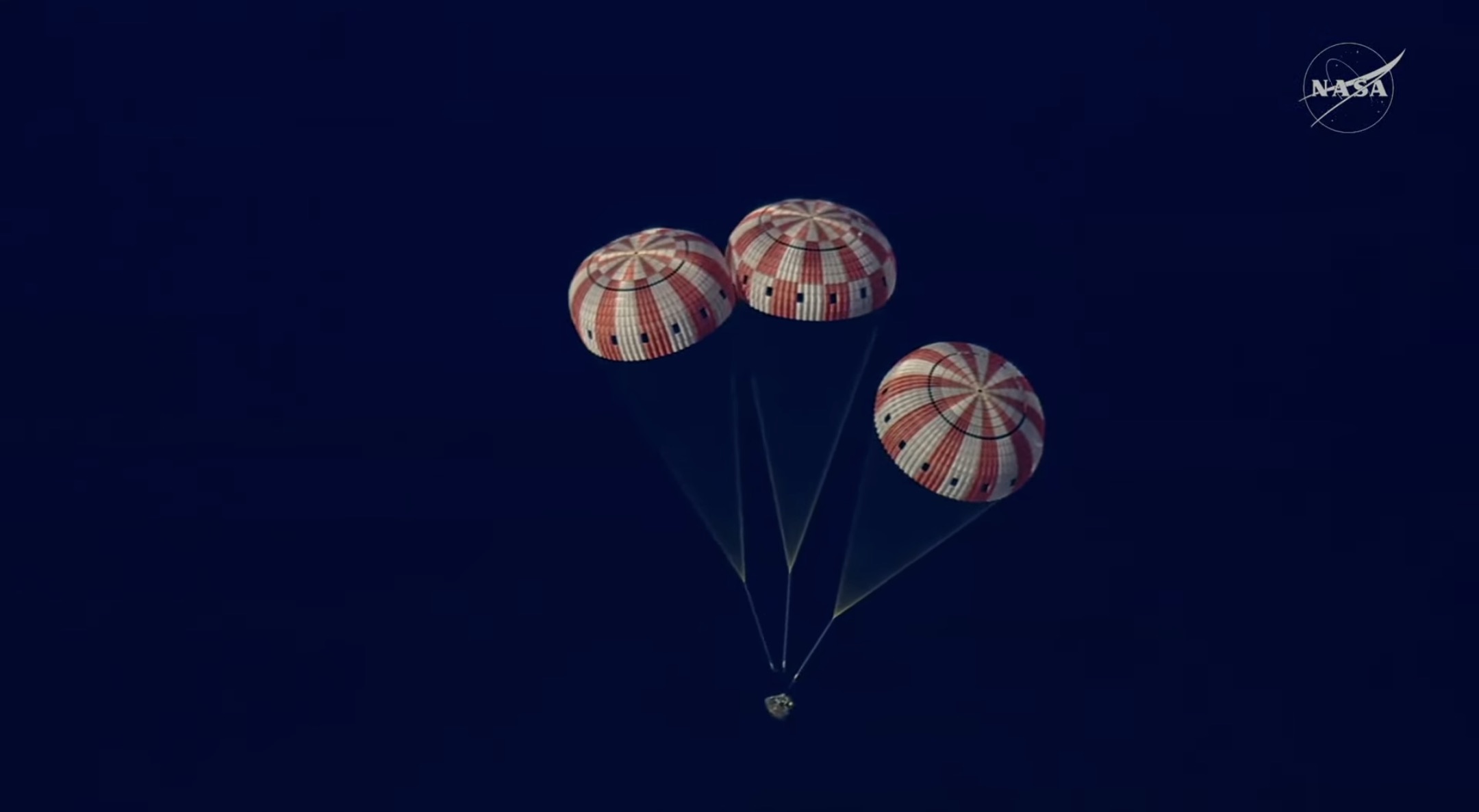
Photos: NASA TV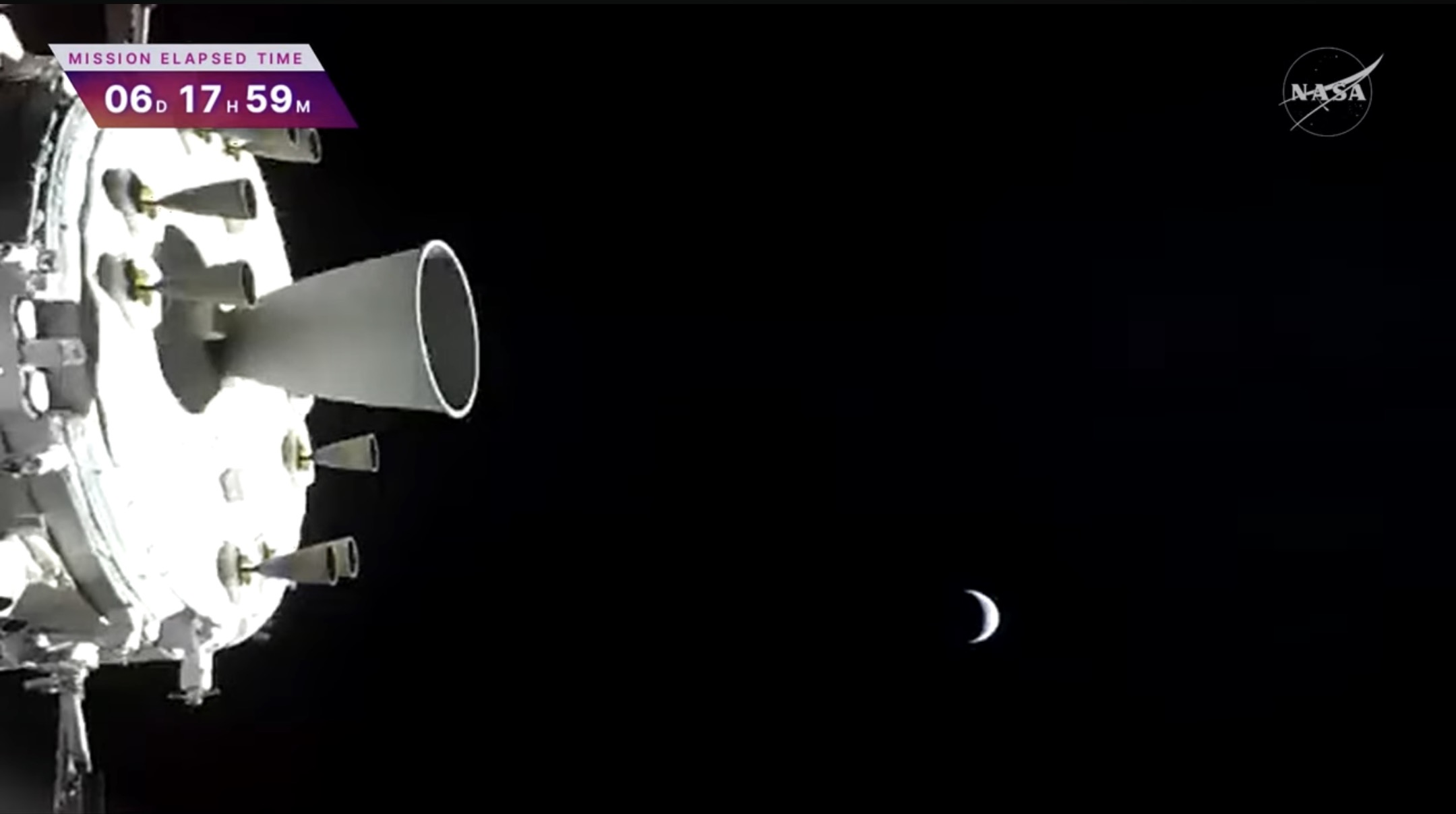
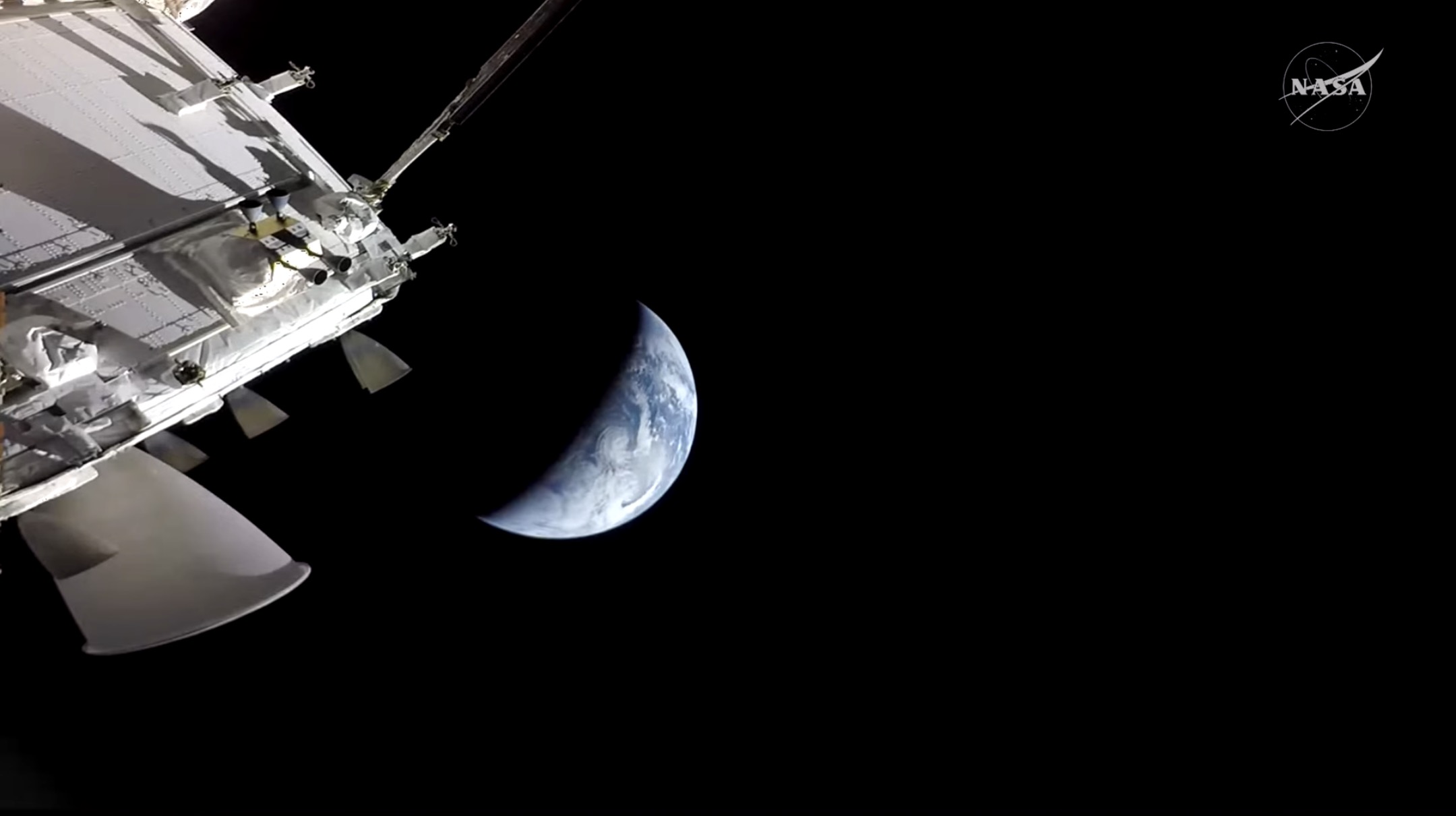
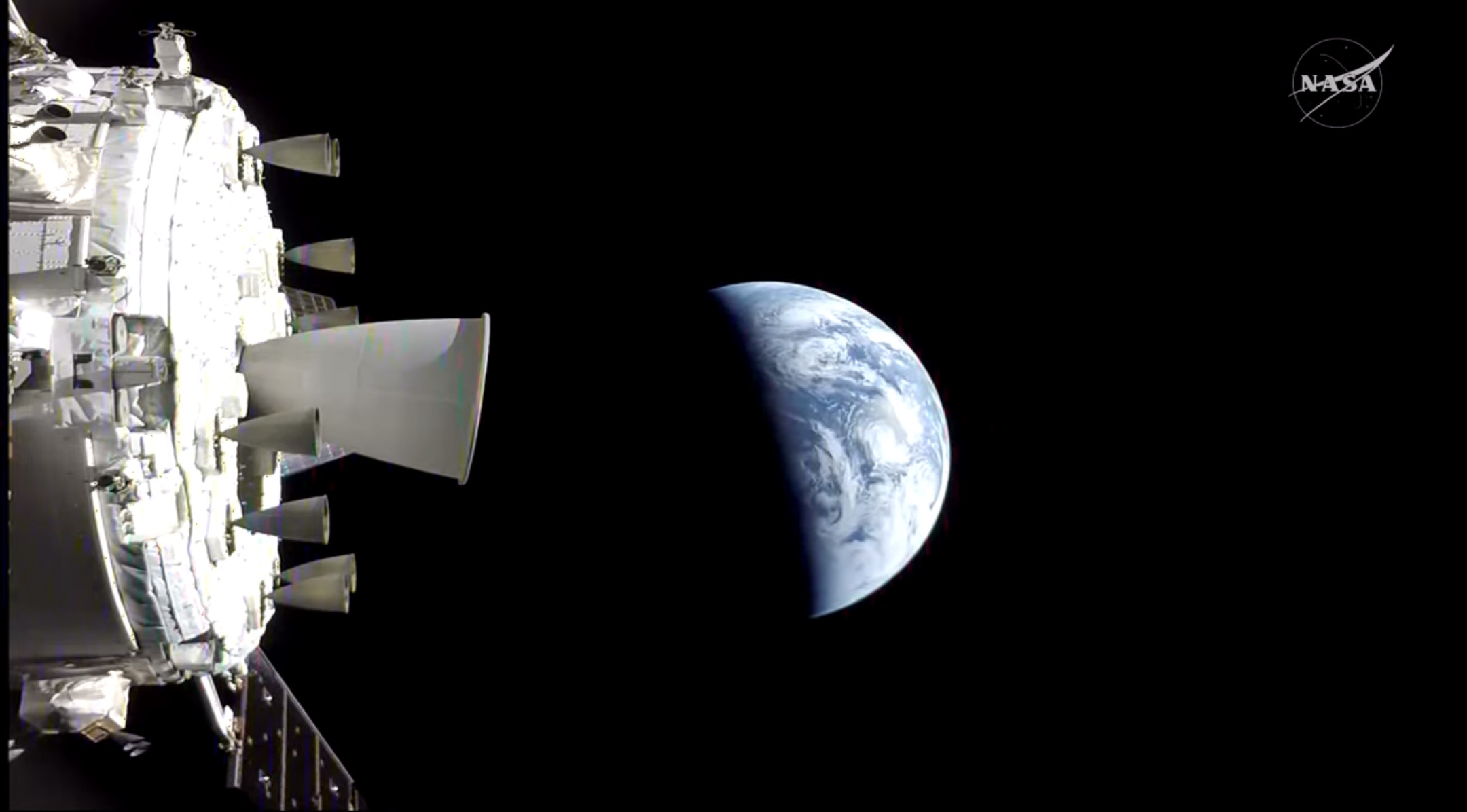
Photo: NASA TV

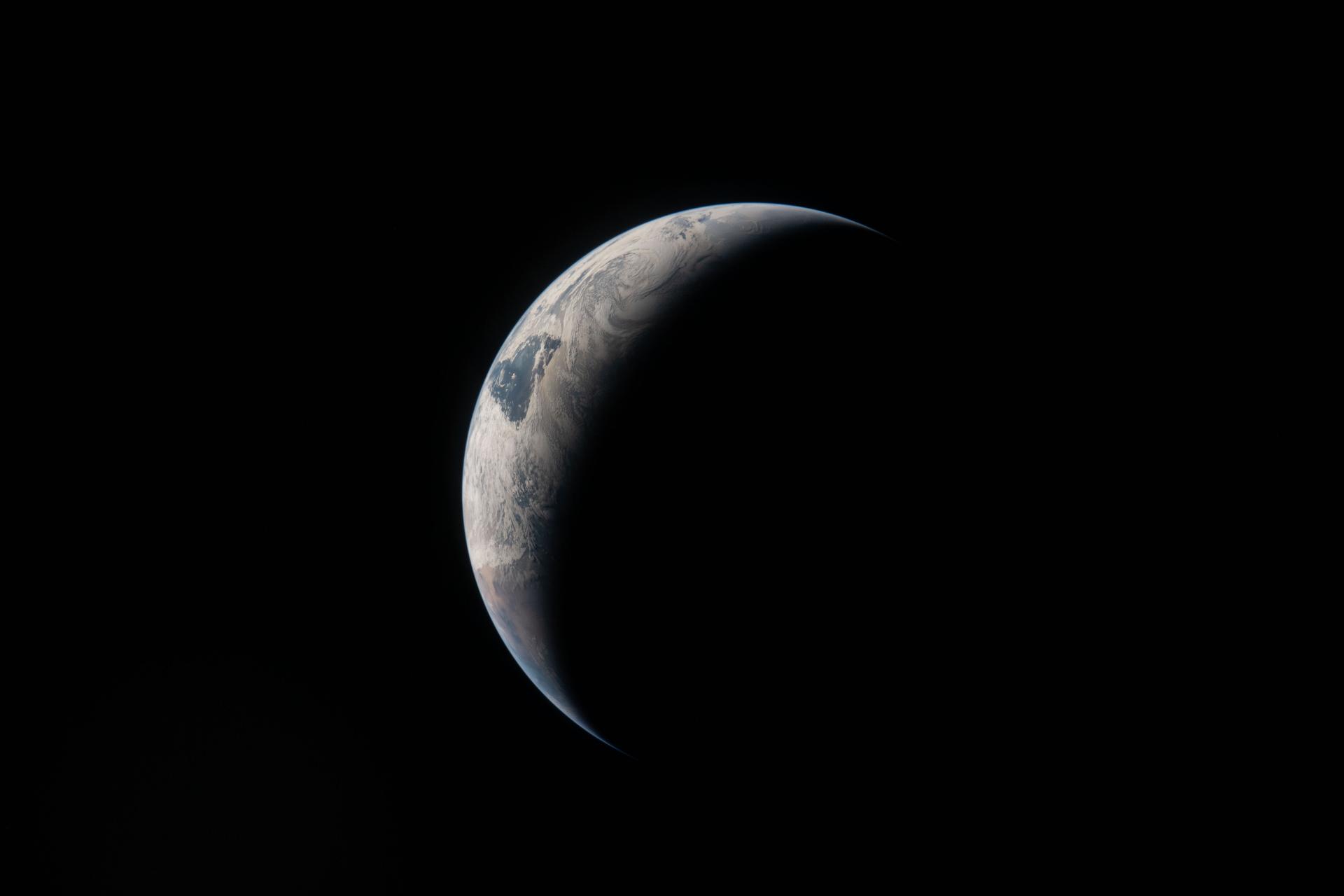
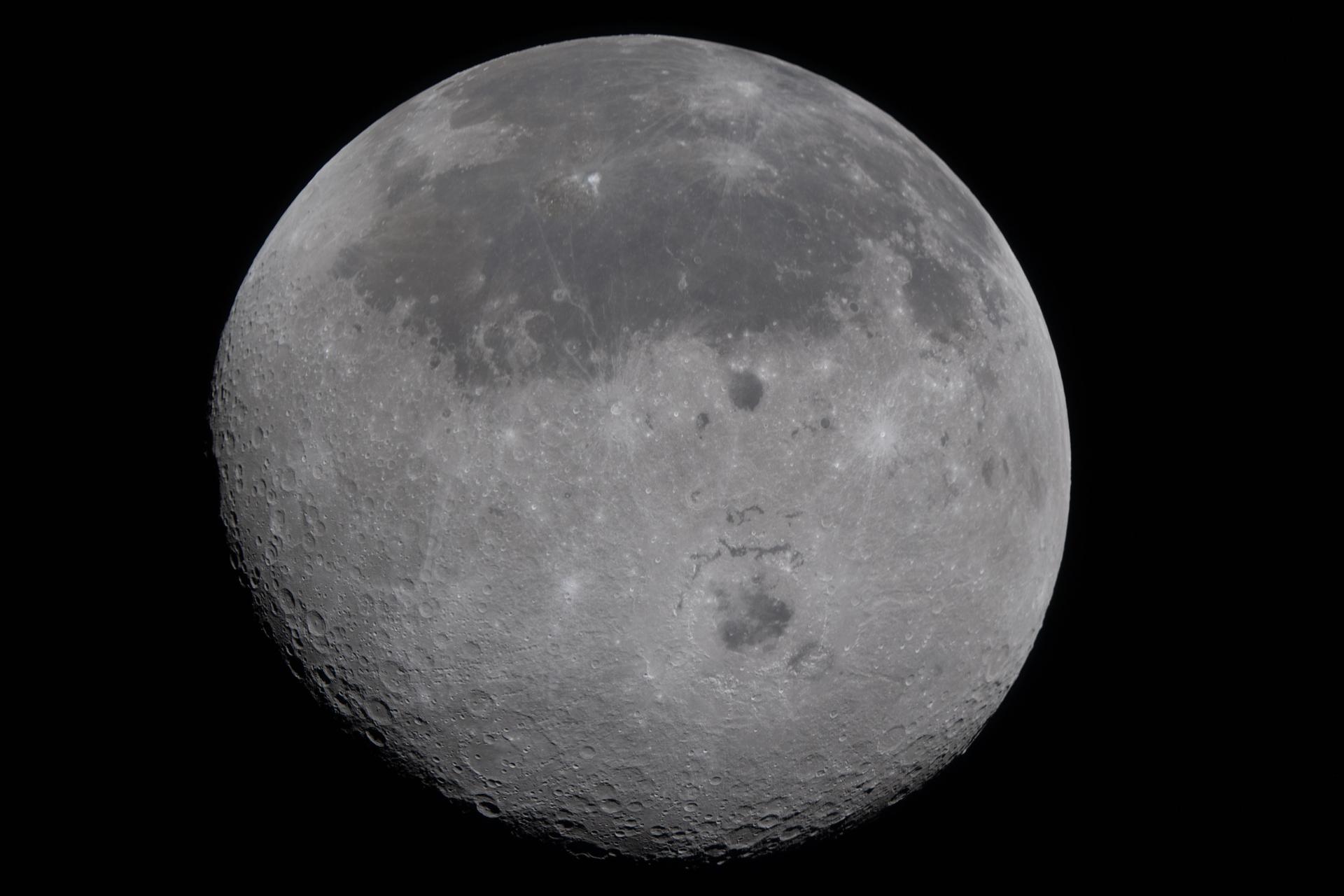
Image Credit: NASA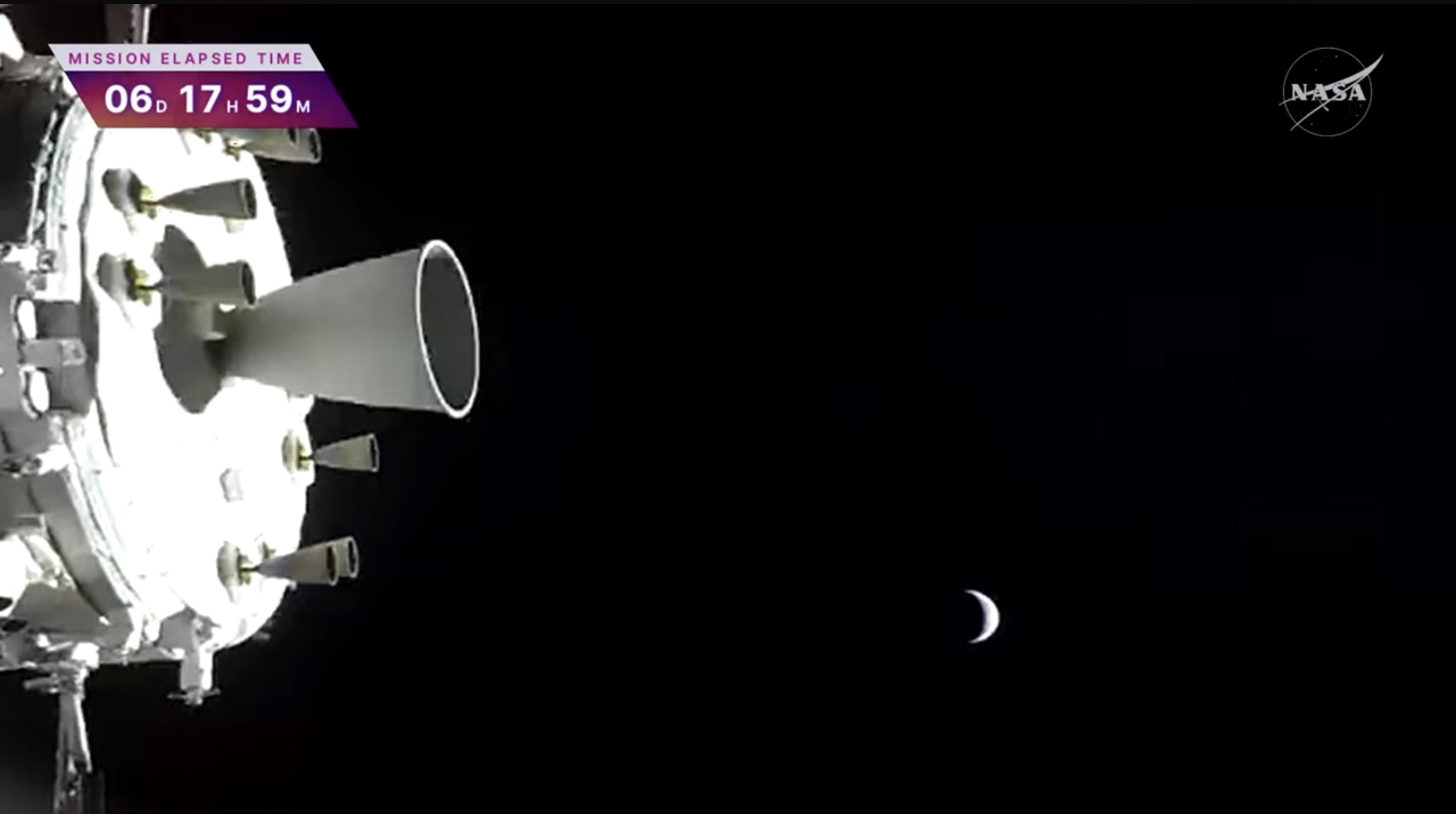
Photo: NASA TV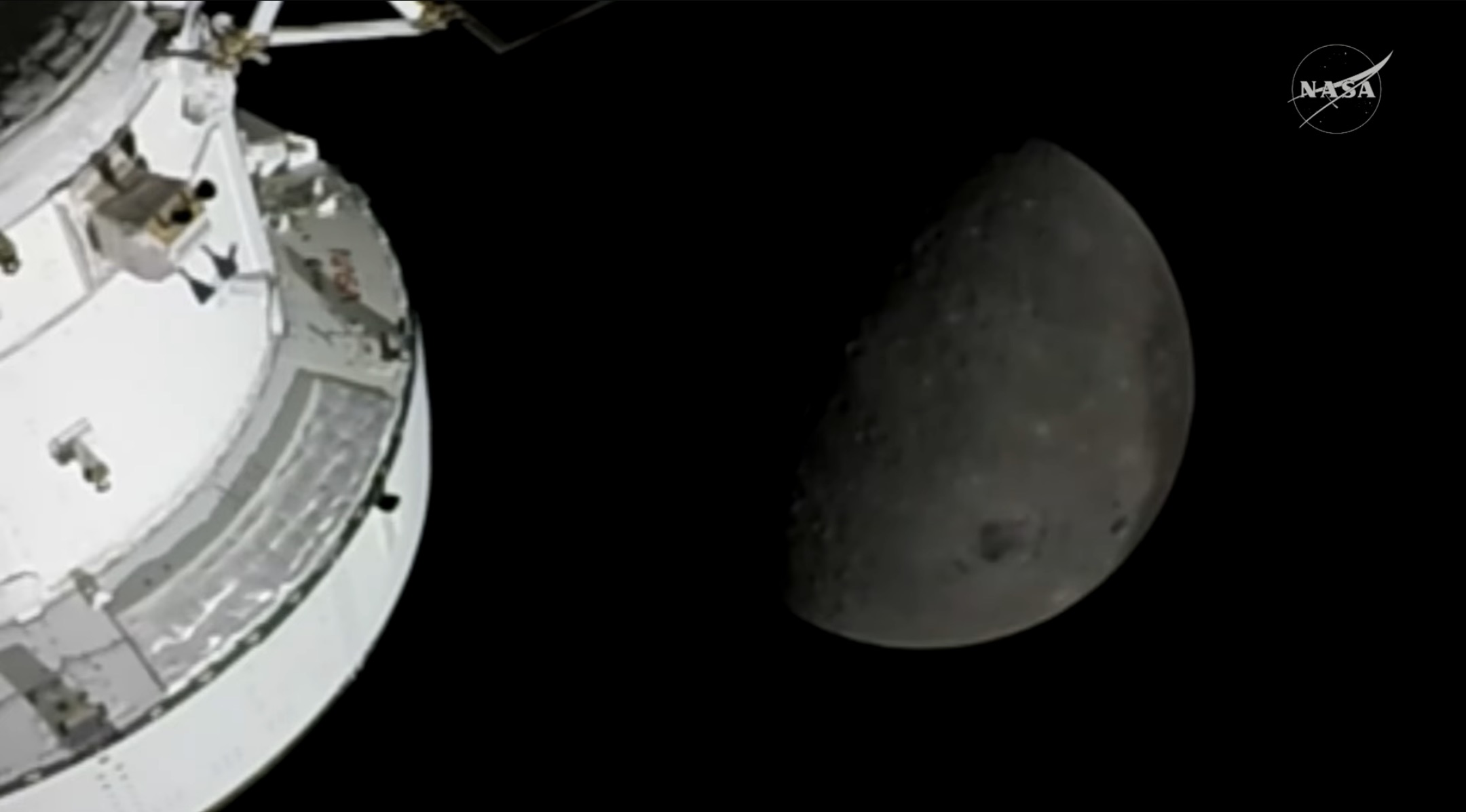
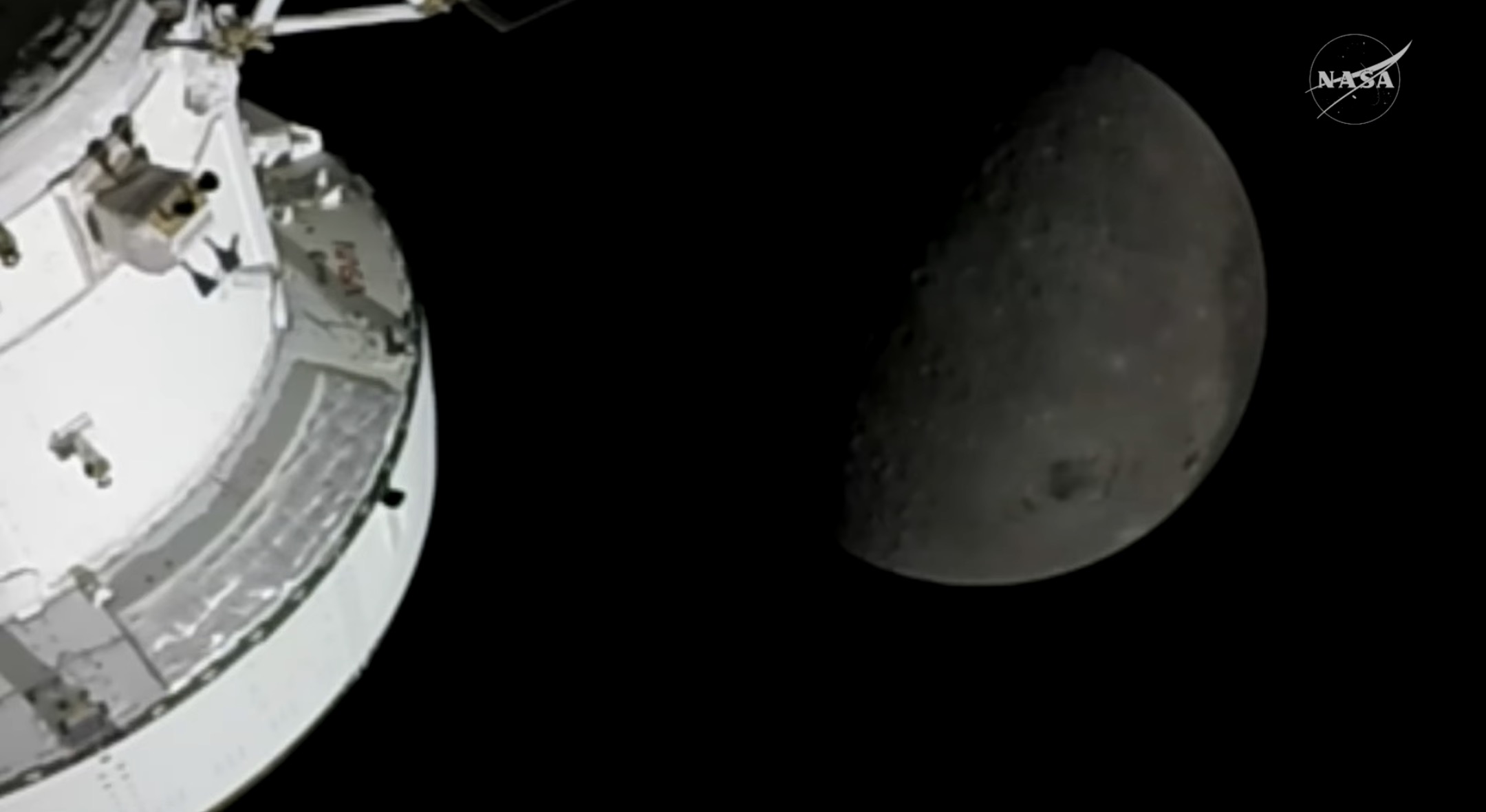
Photos: NASA TV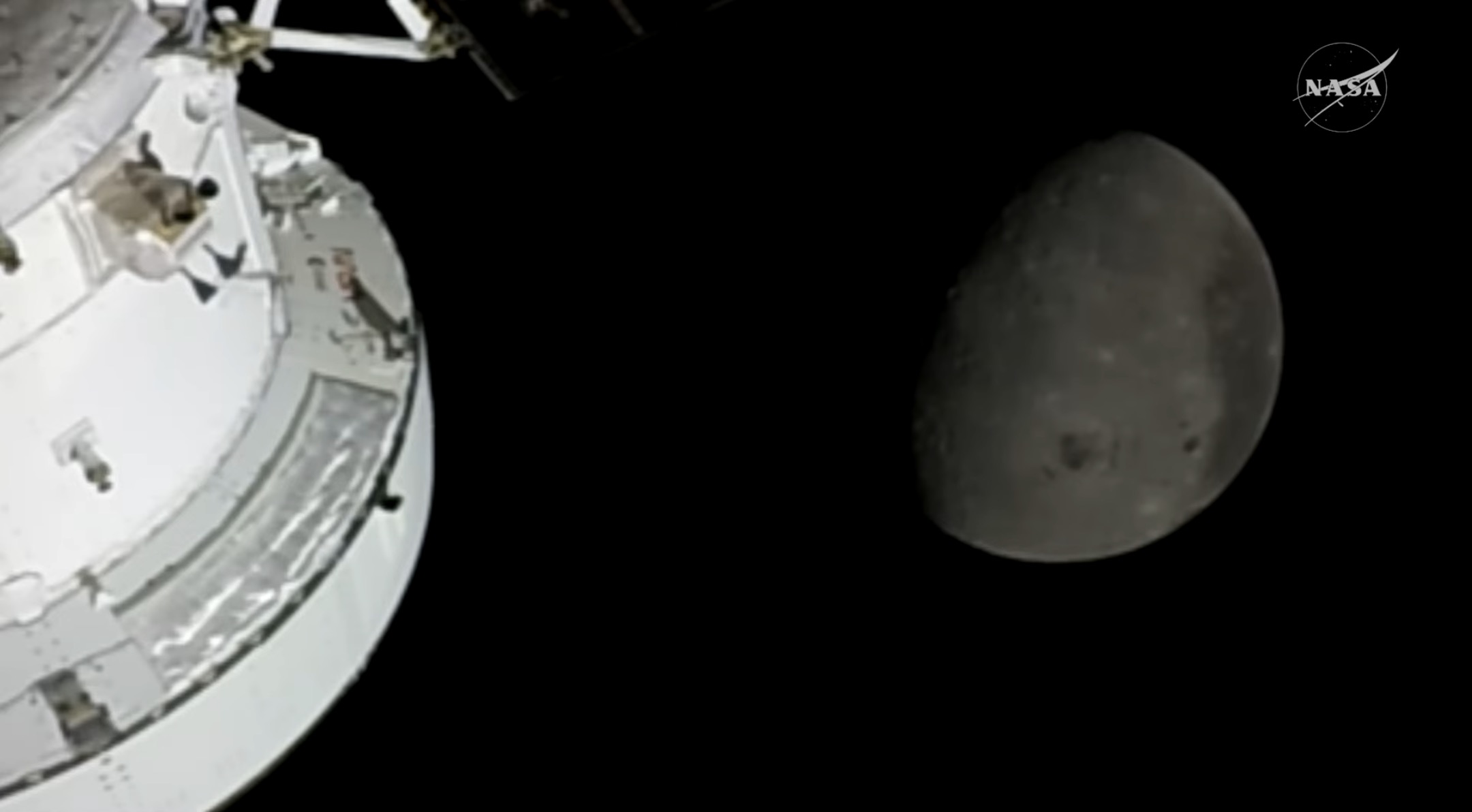
Photo: NASA TV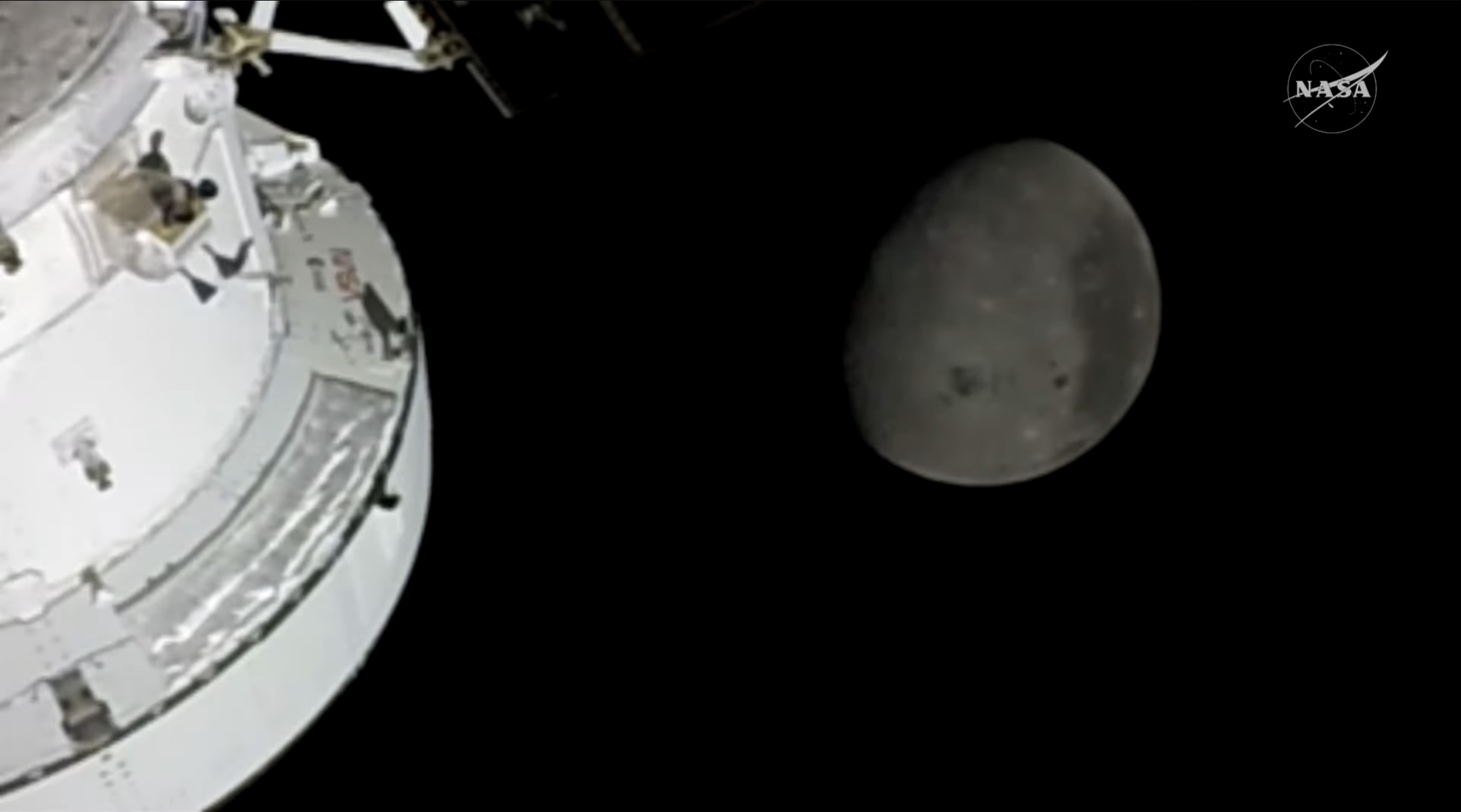
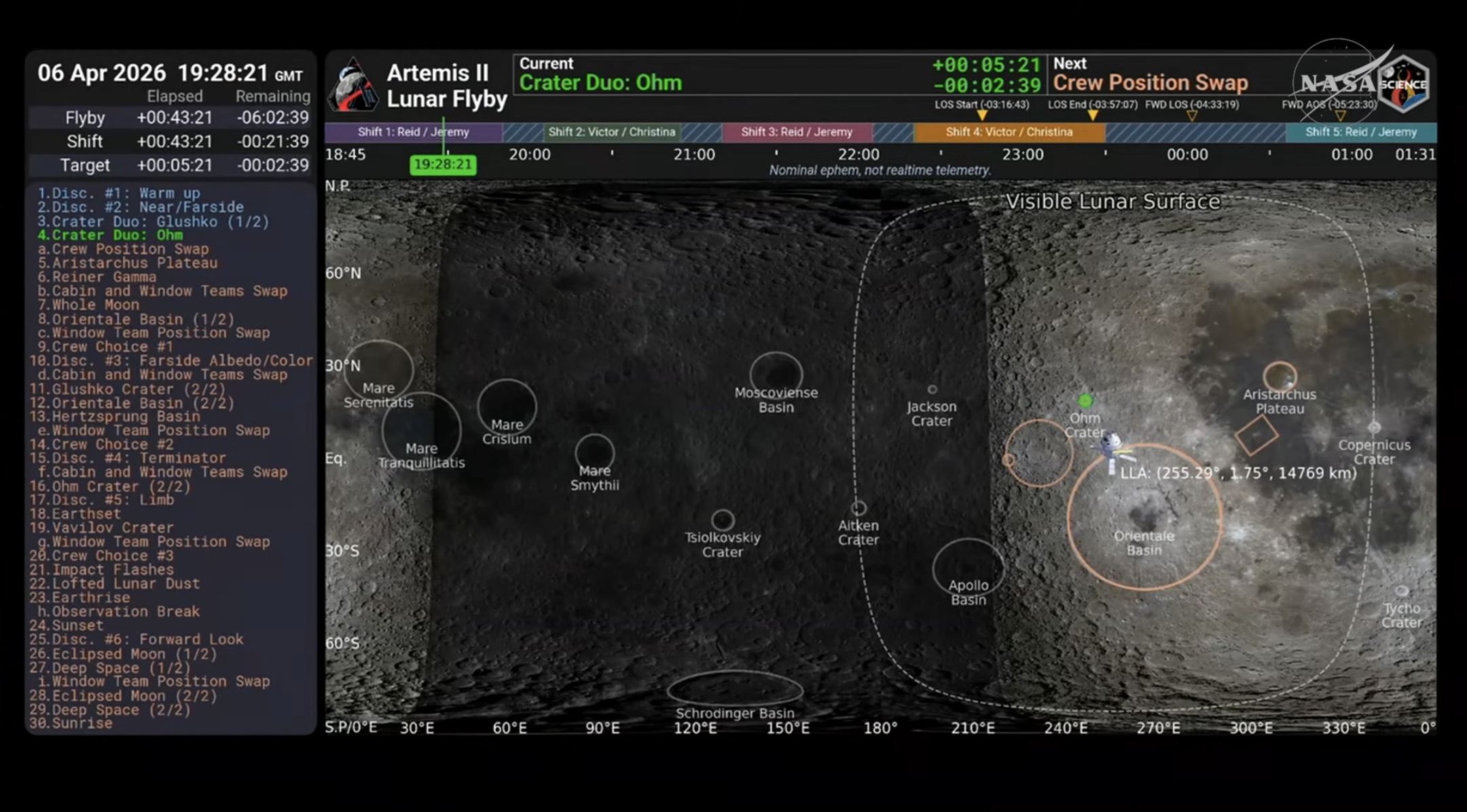
Photos: NASA TV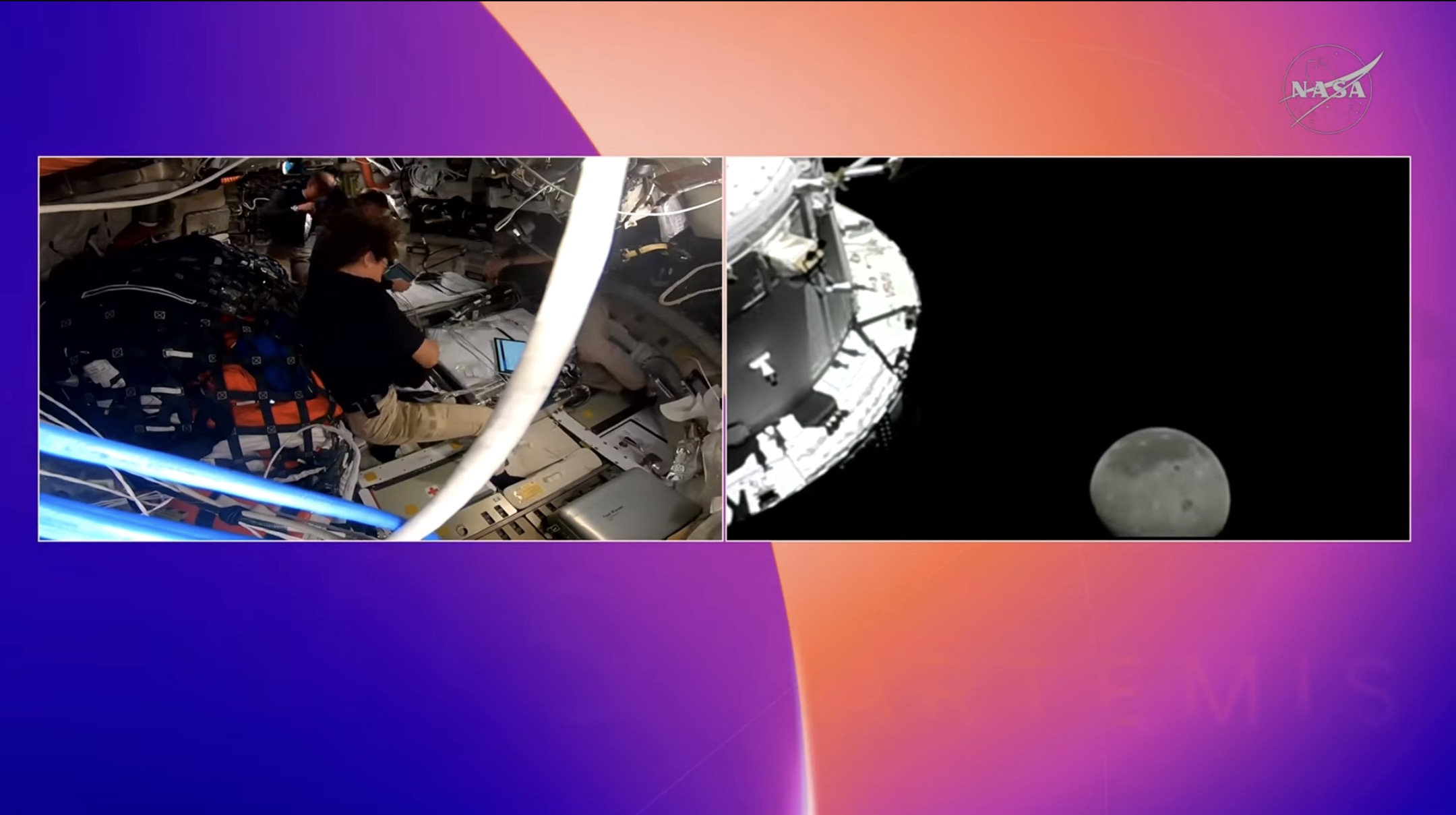
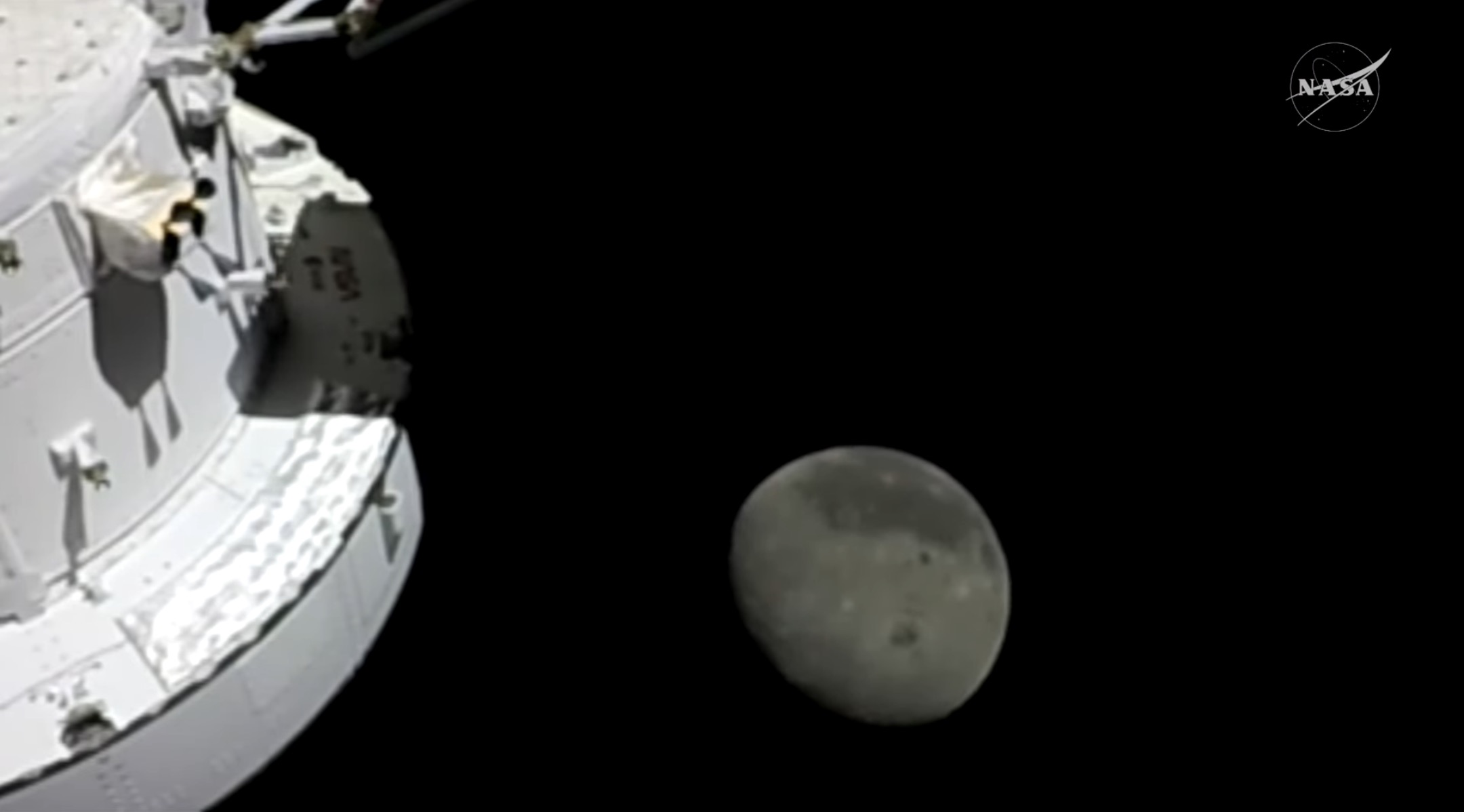
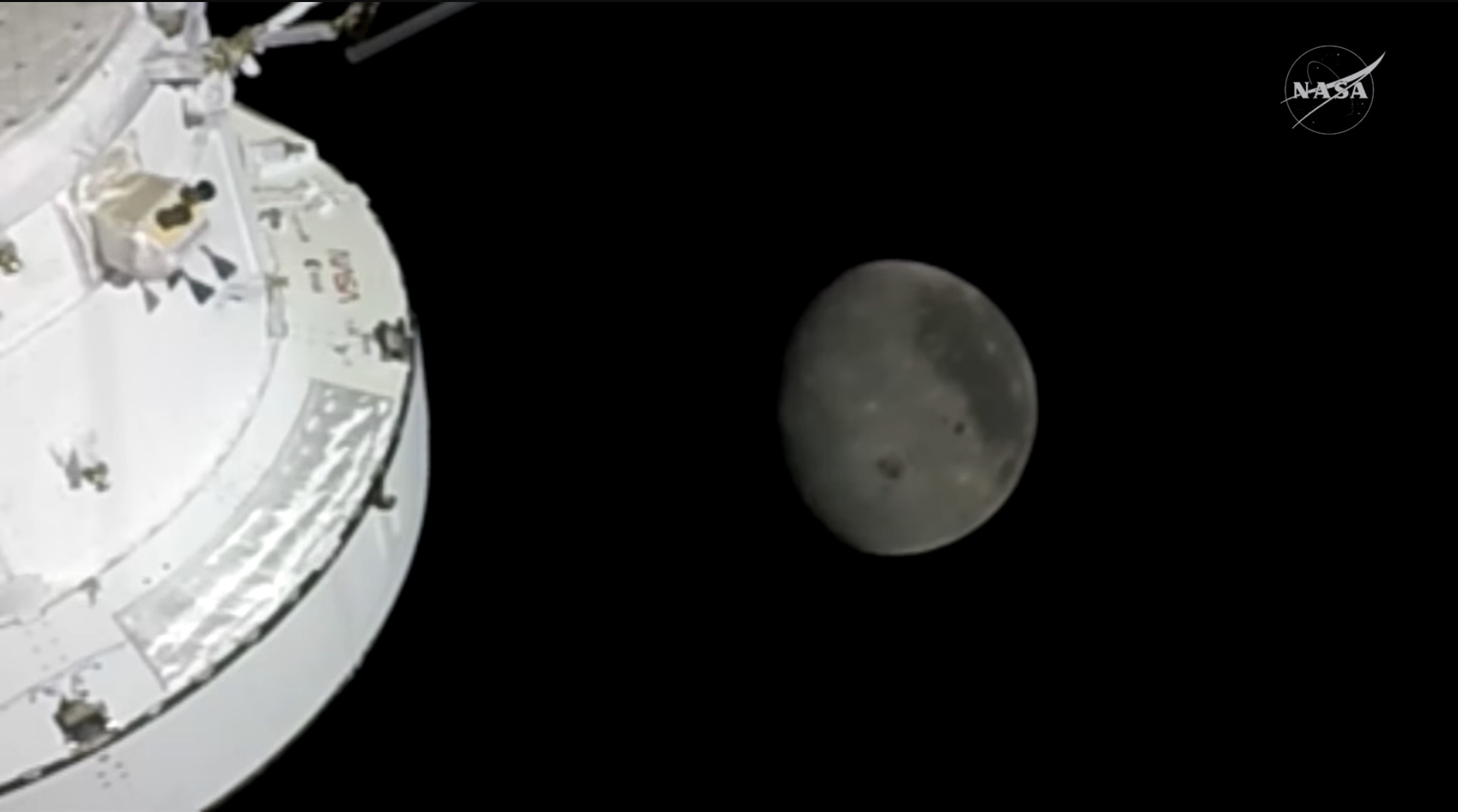
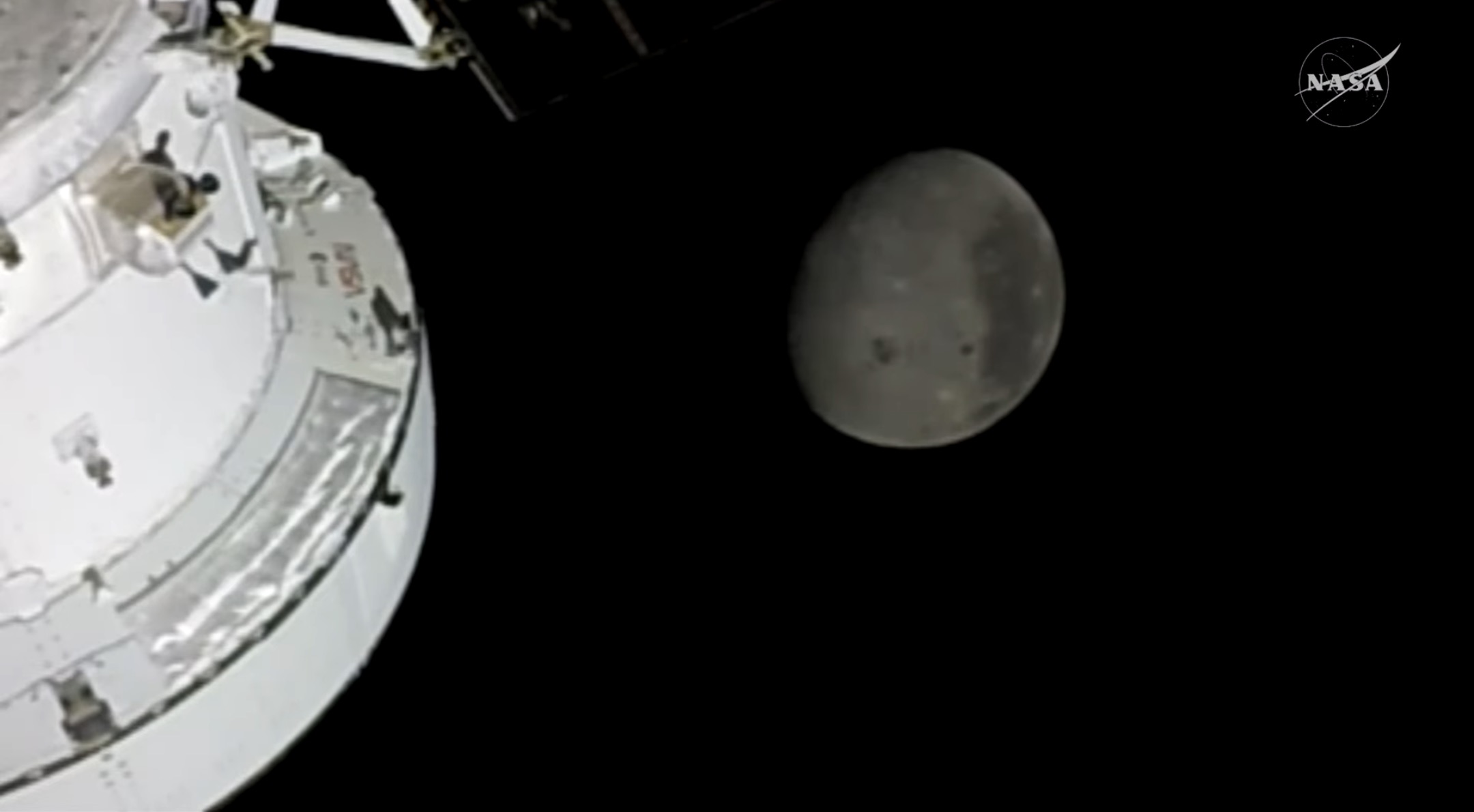
Photos: NASA TV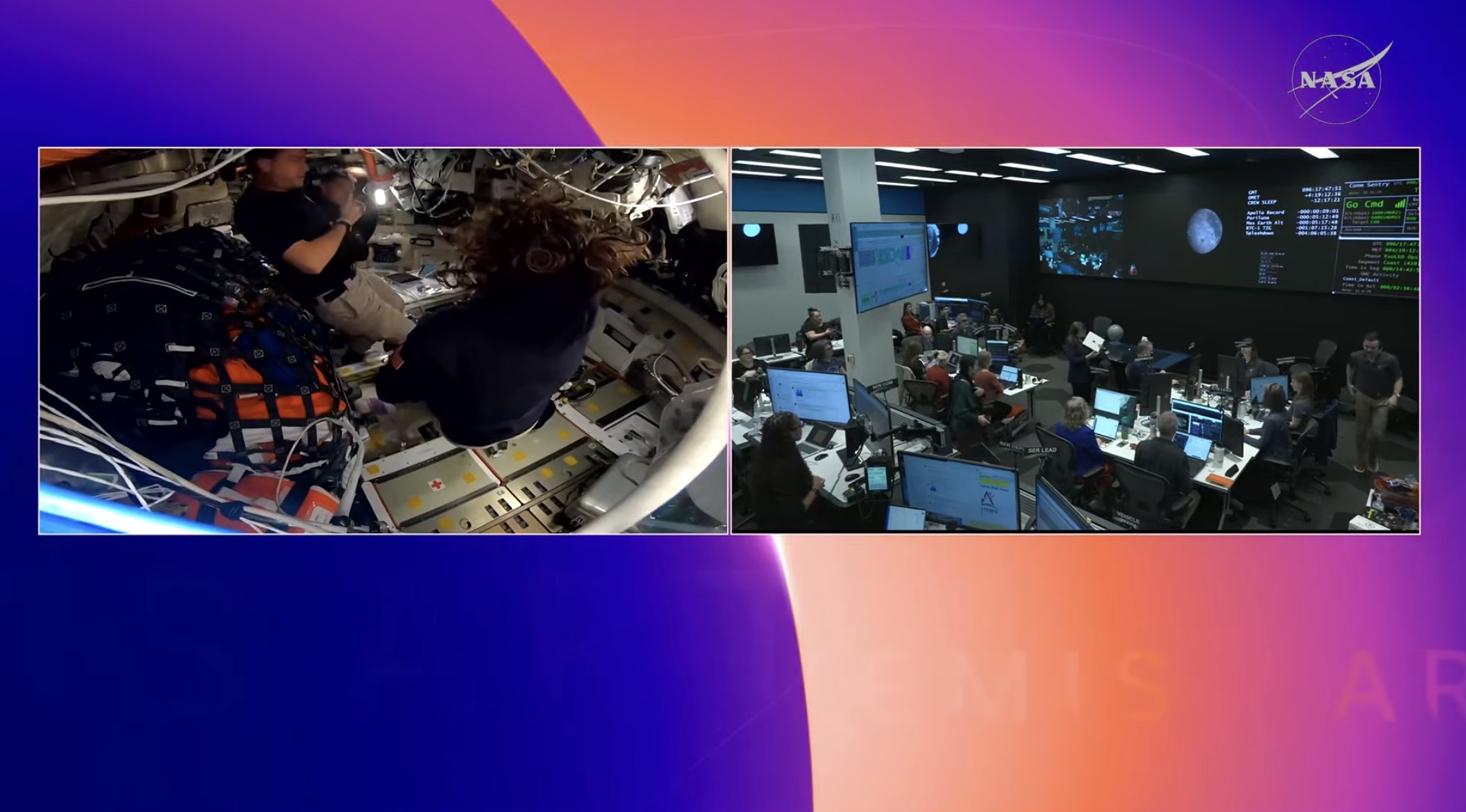
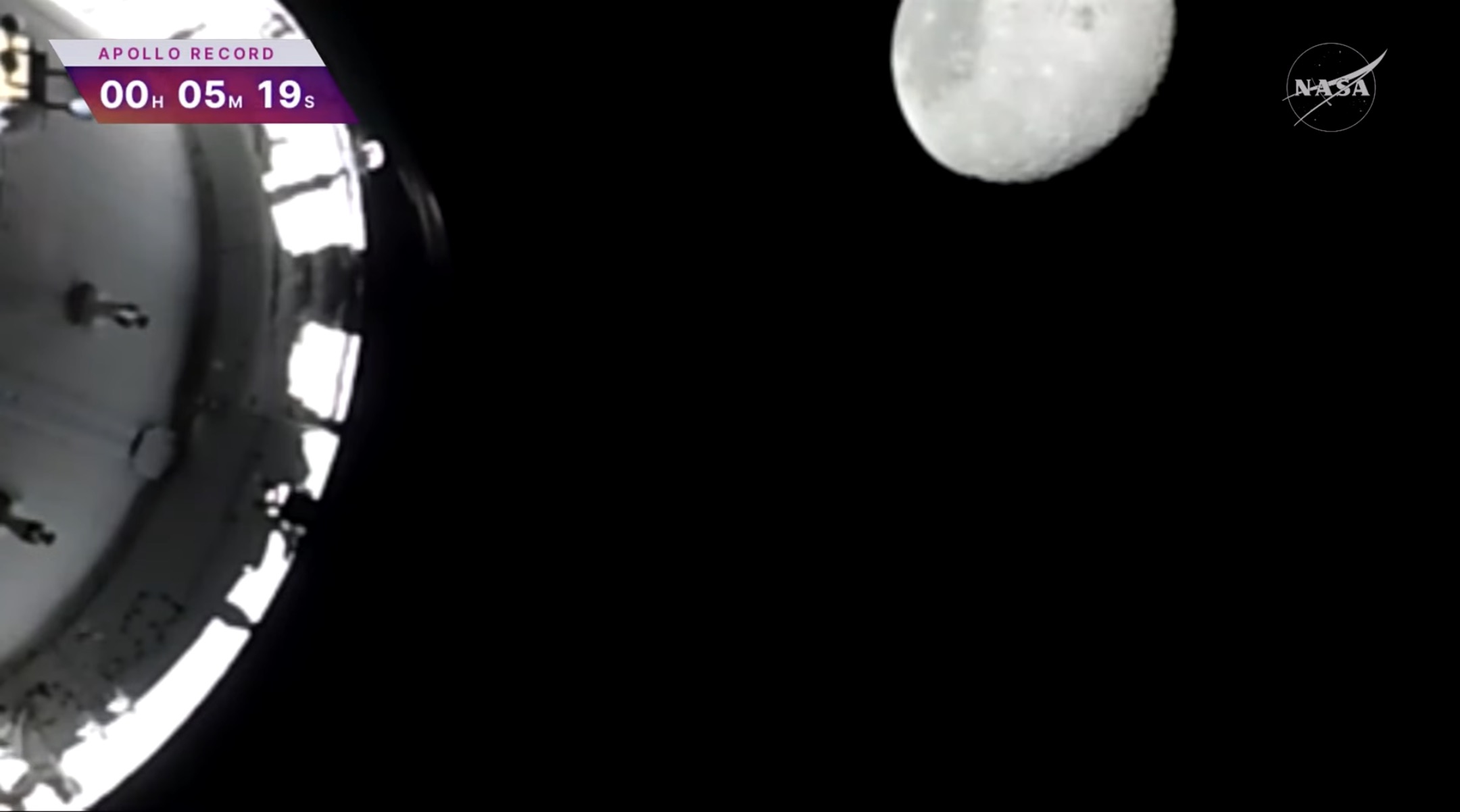
Photo: NASA TV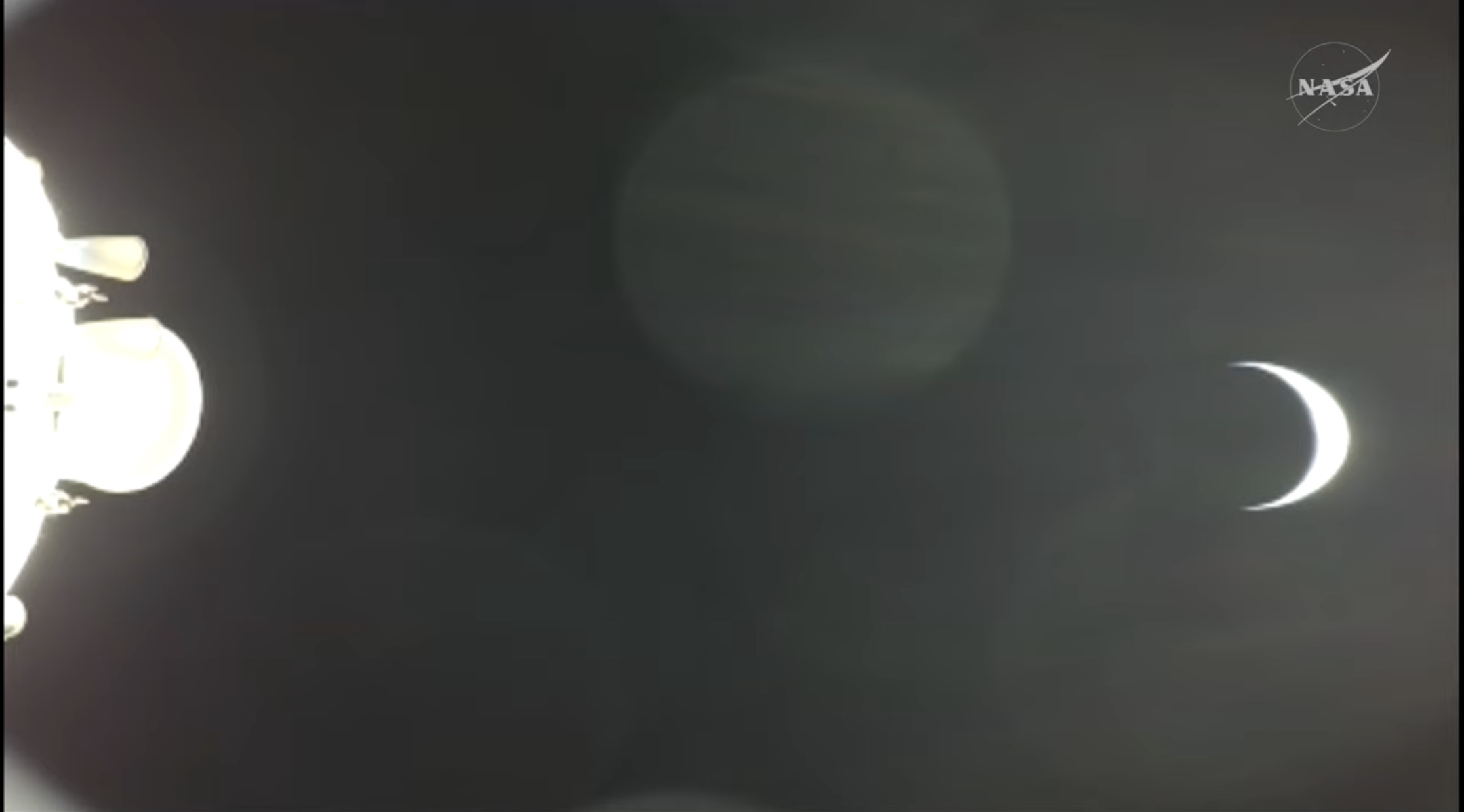
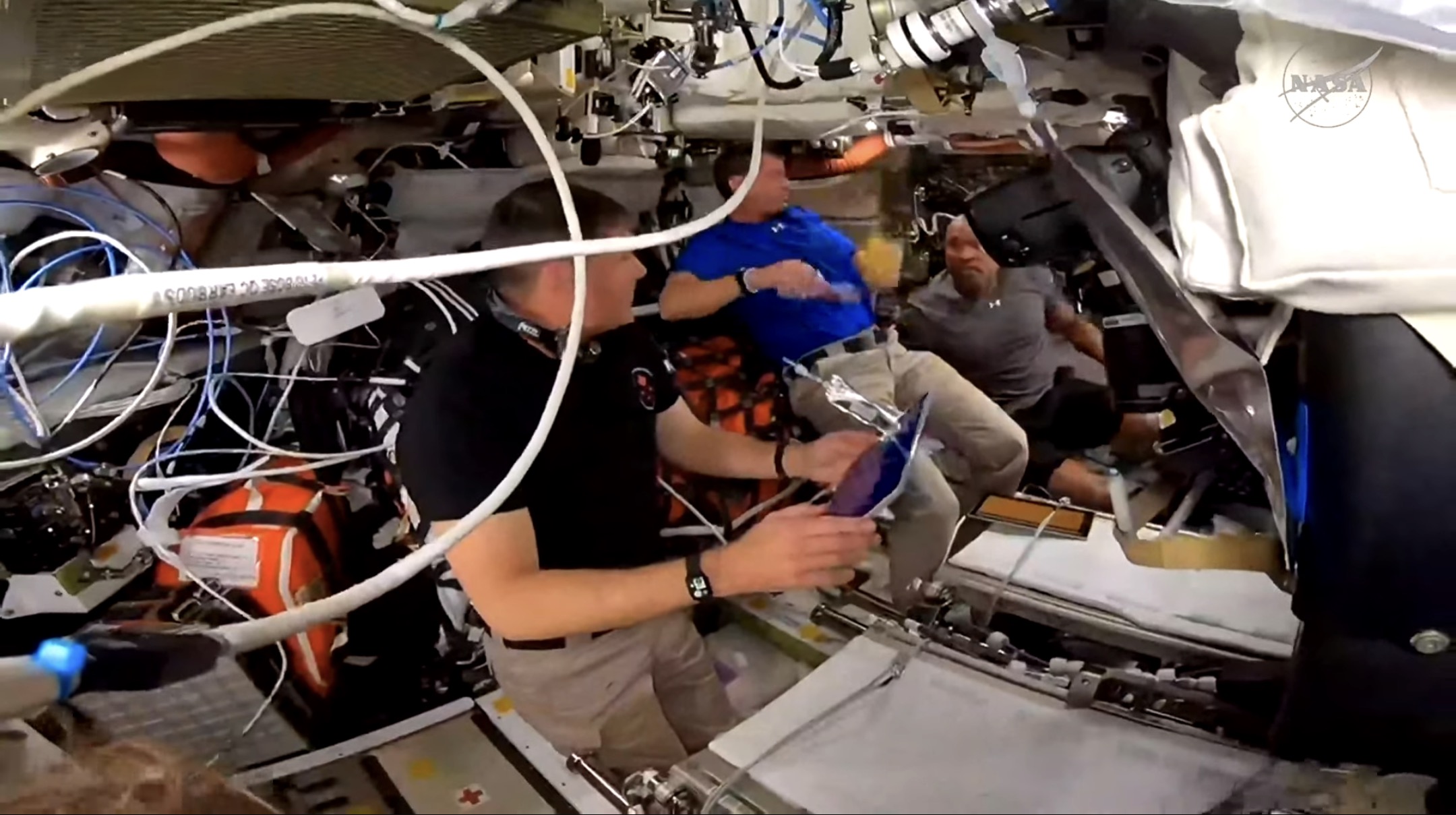
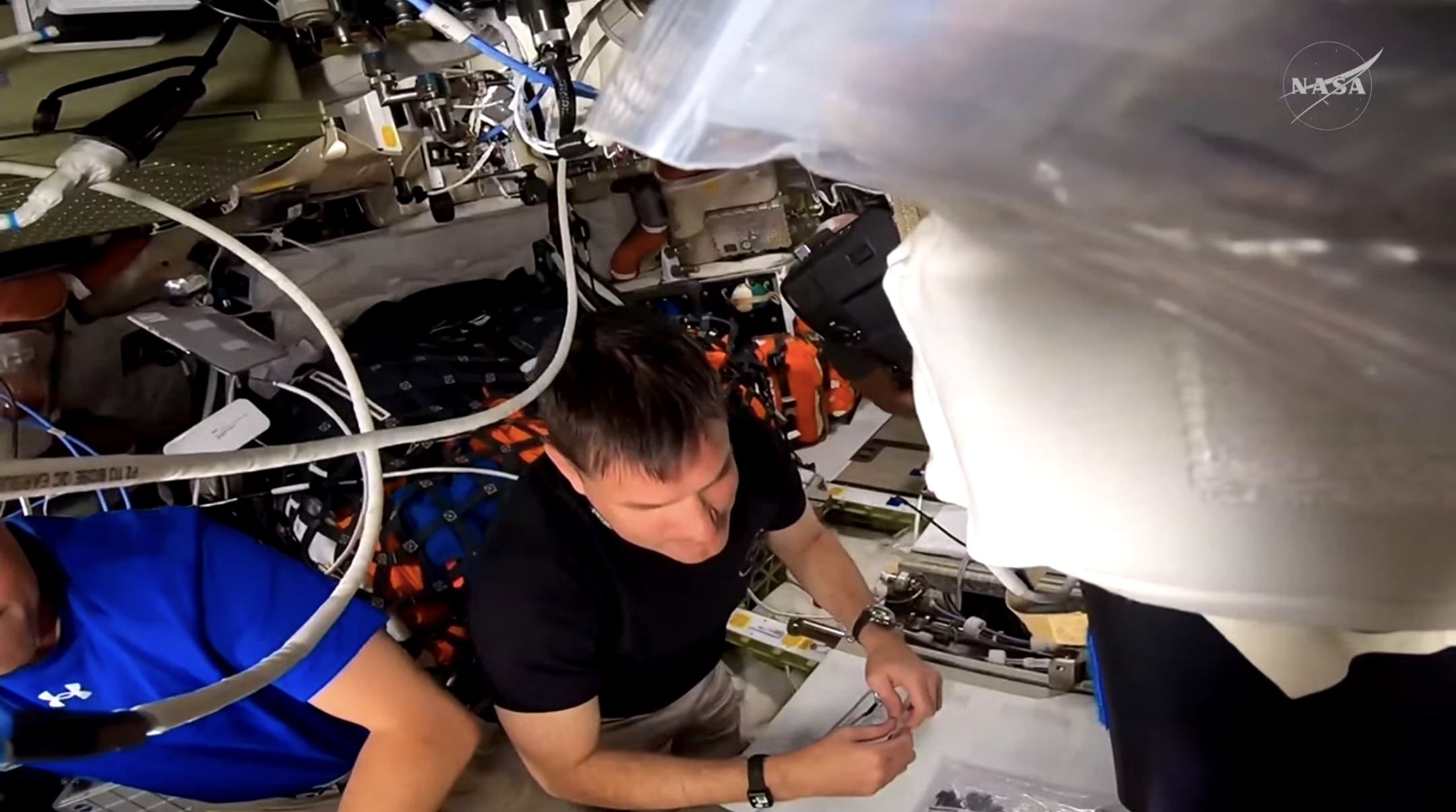
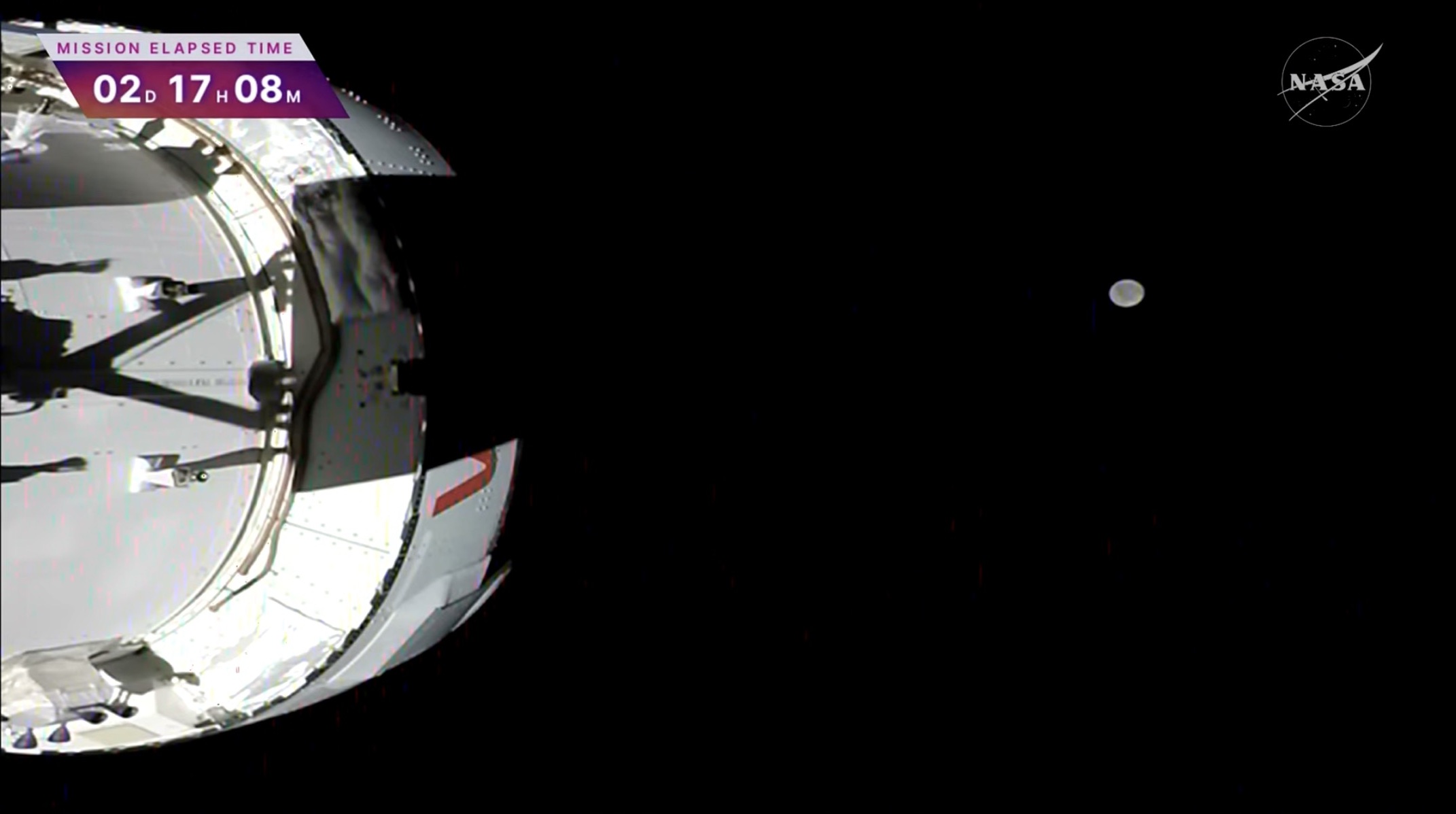
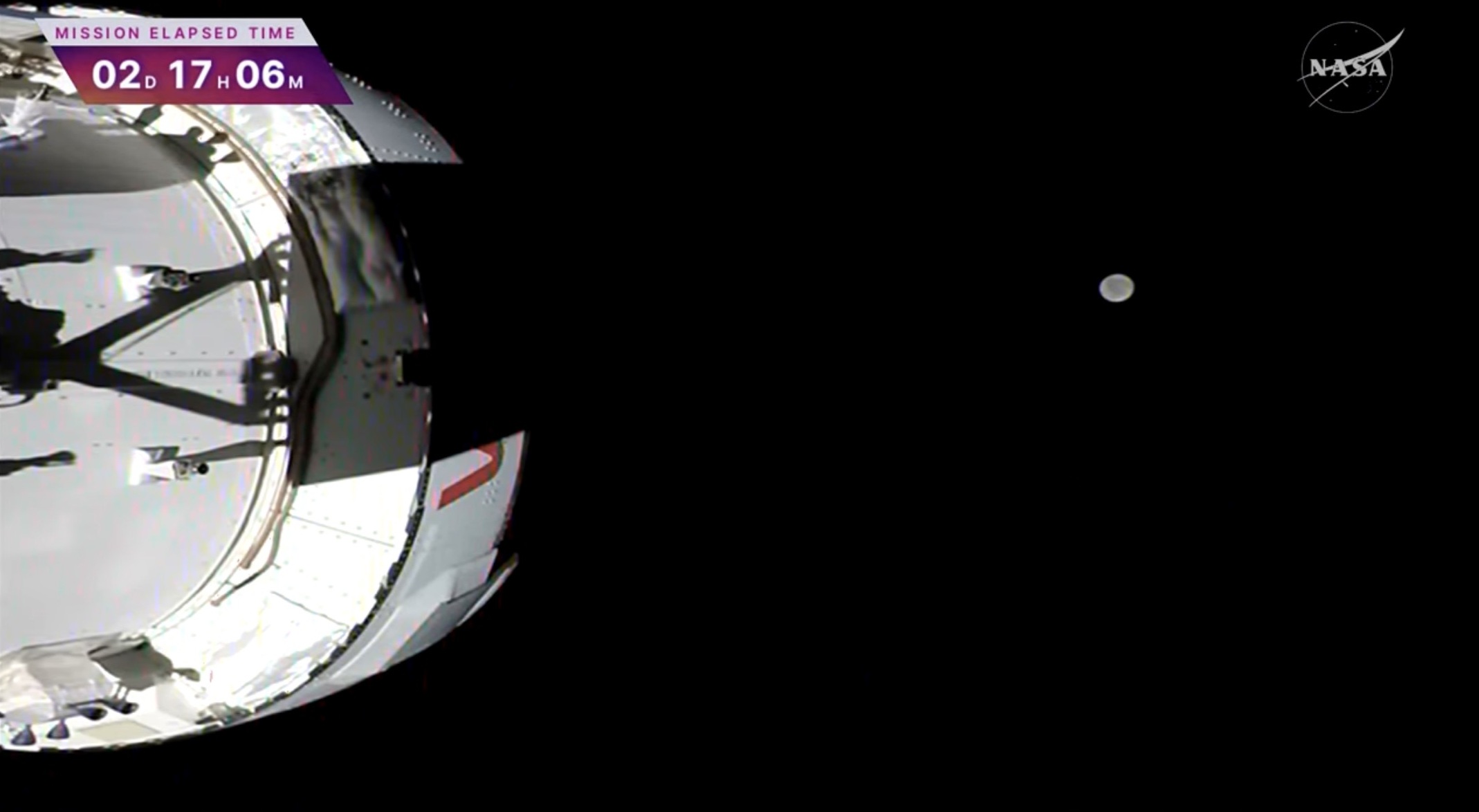
Photo: NASA TV
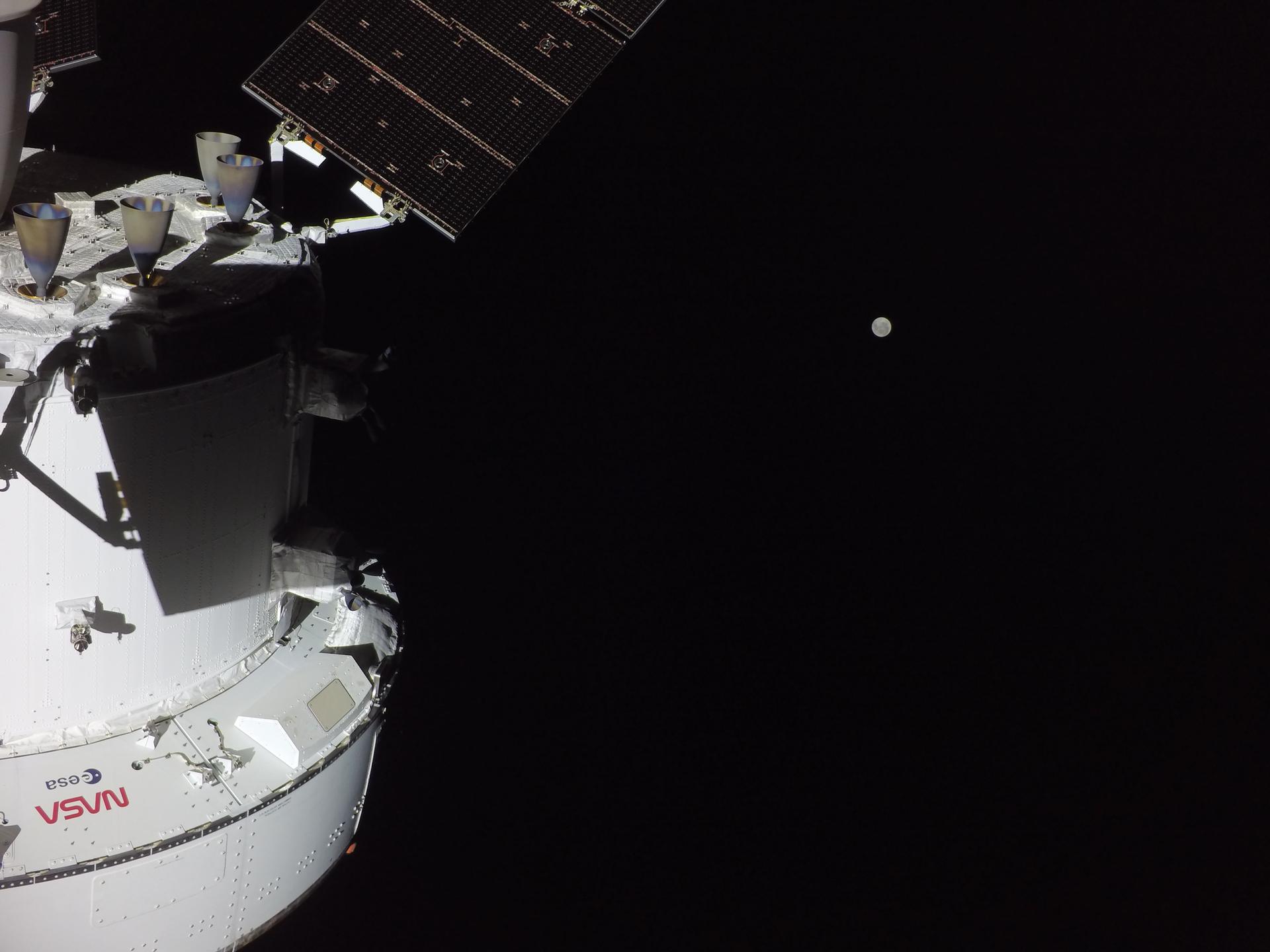
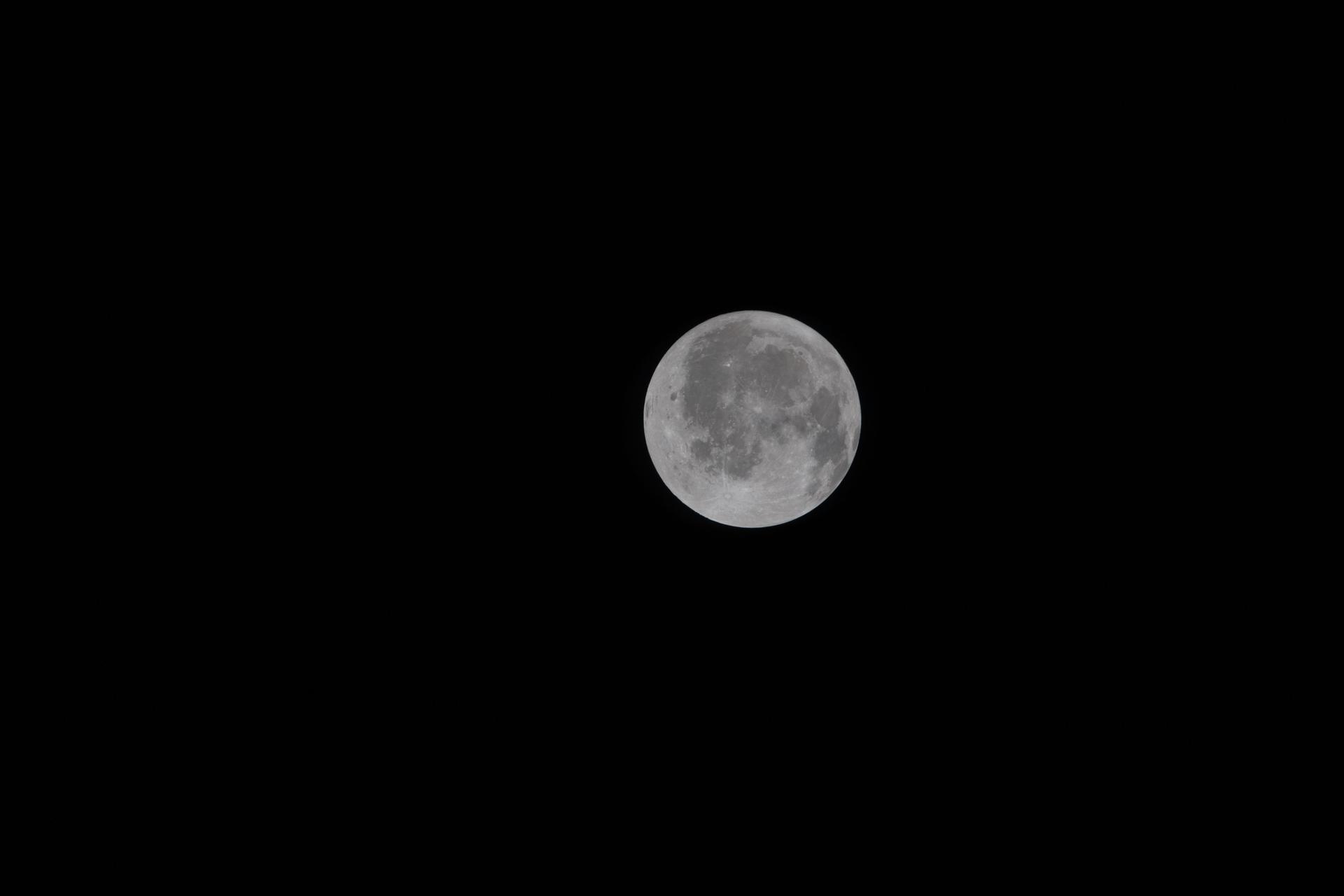
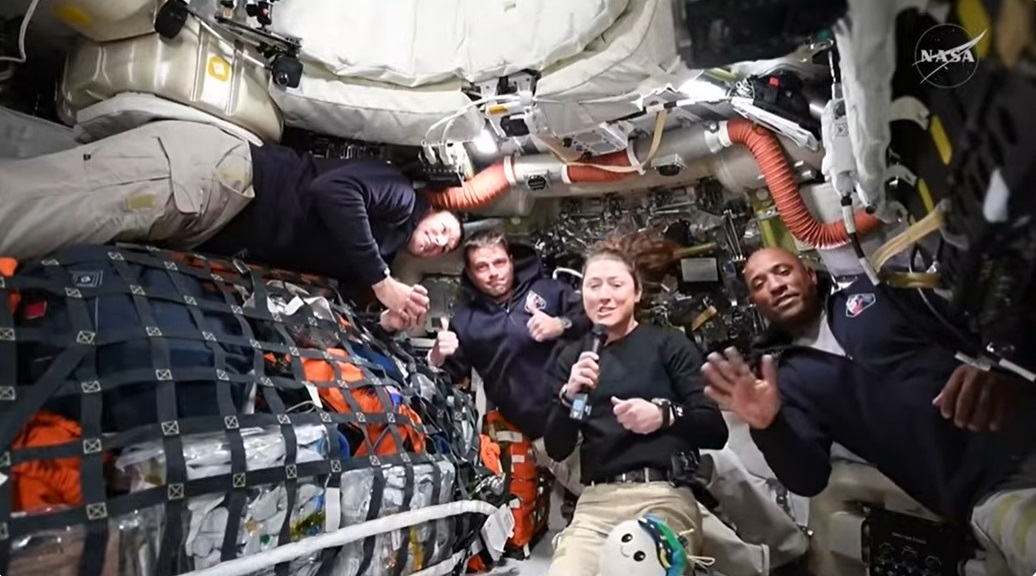
Image Credit: NASA
🔗 https://bsky.app/profile/spacefriday.de/post/3mijaqhcoic2y
🌐 https://ticker.nemethstarproductions.eu/?page_id=2913